
Last updated November 4, 2026
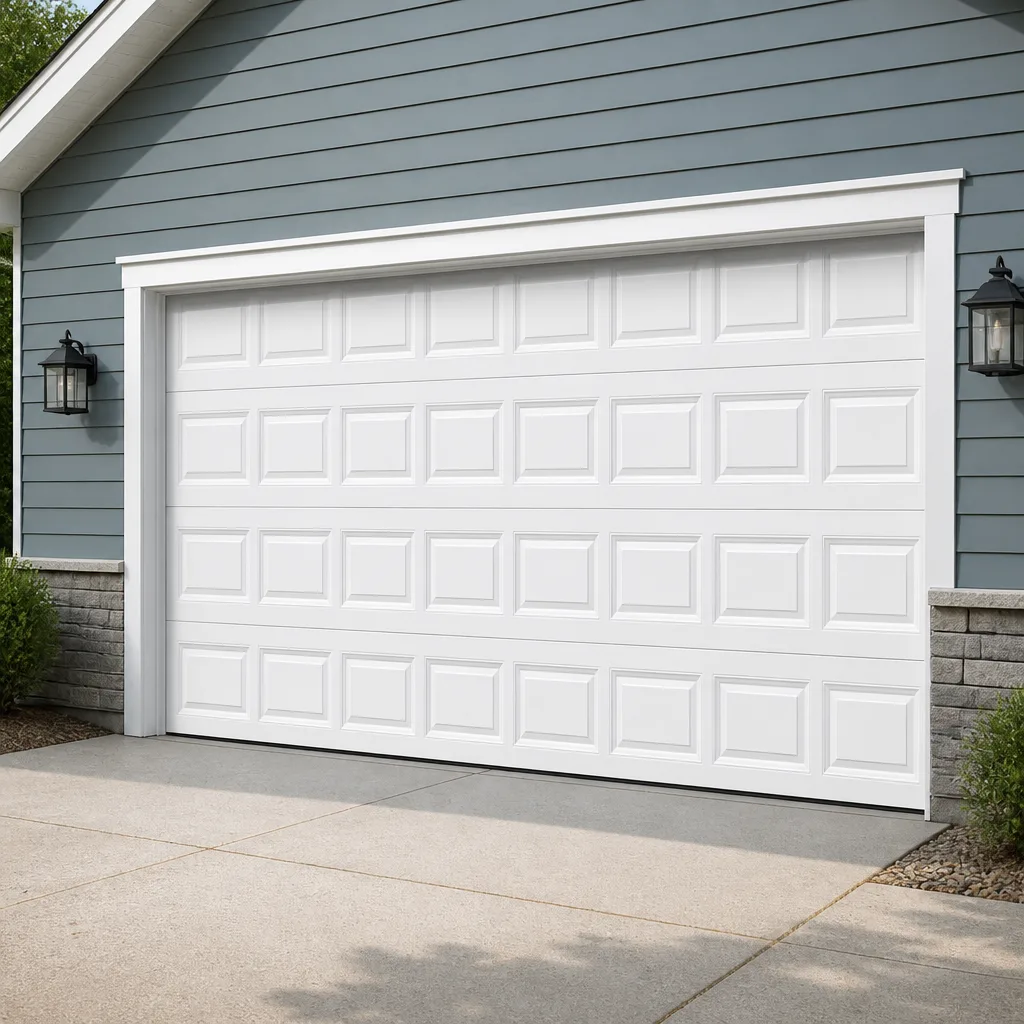 Raised-panel steel
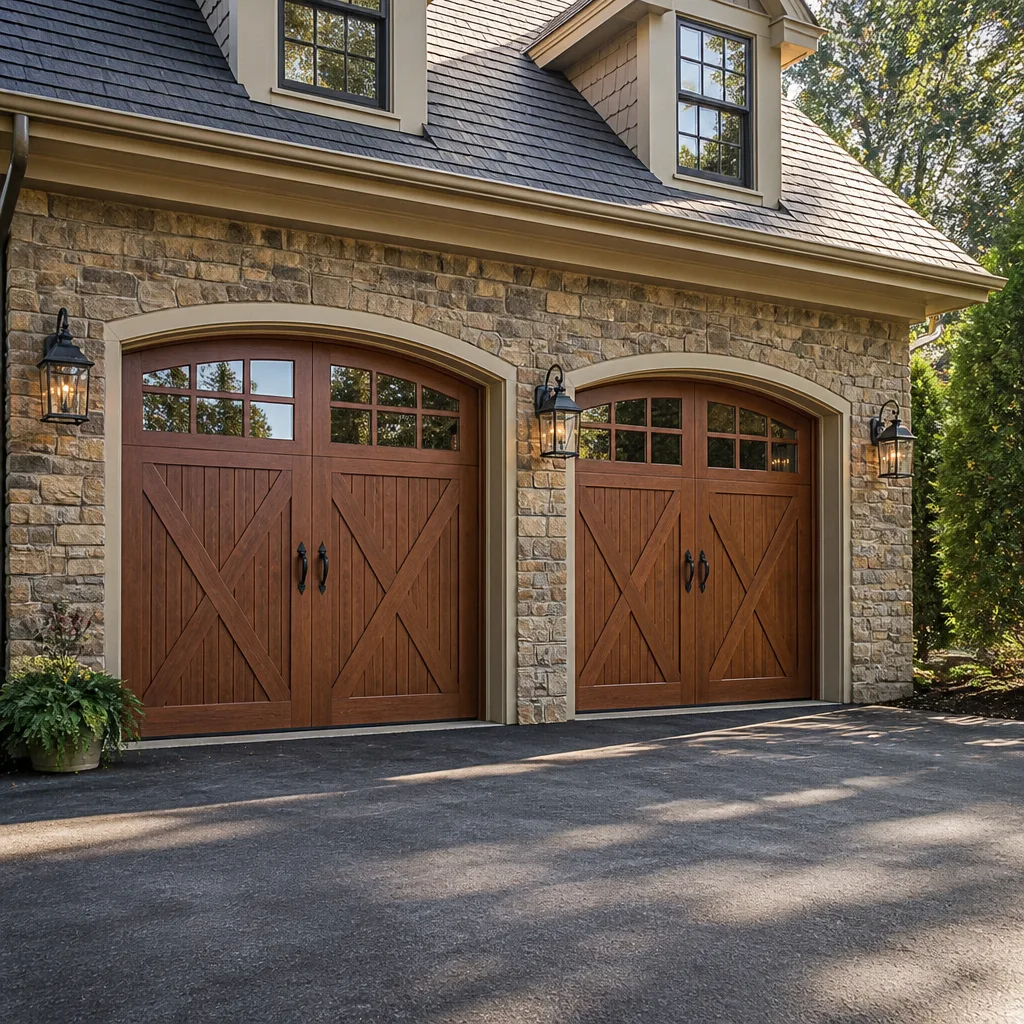 Carriage house
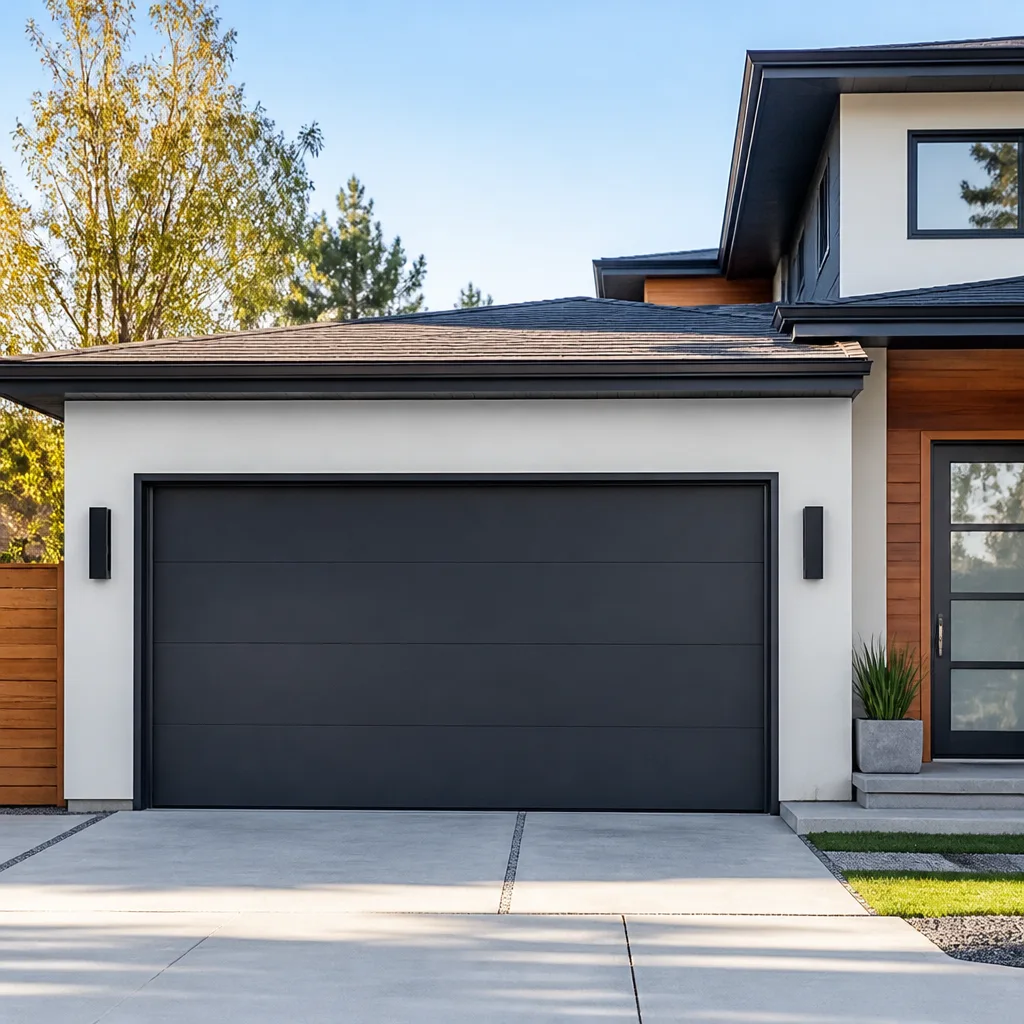 Modern flush
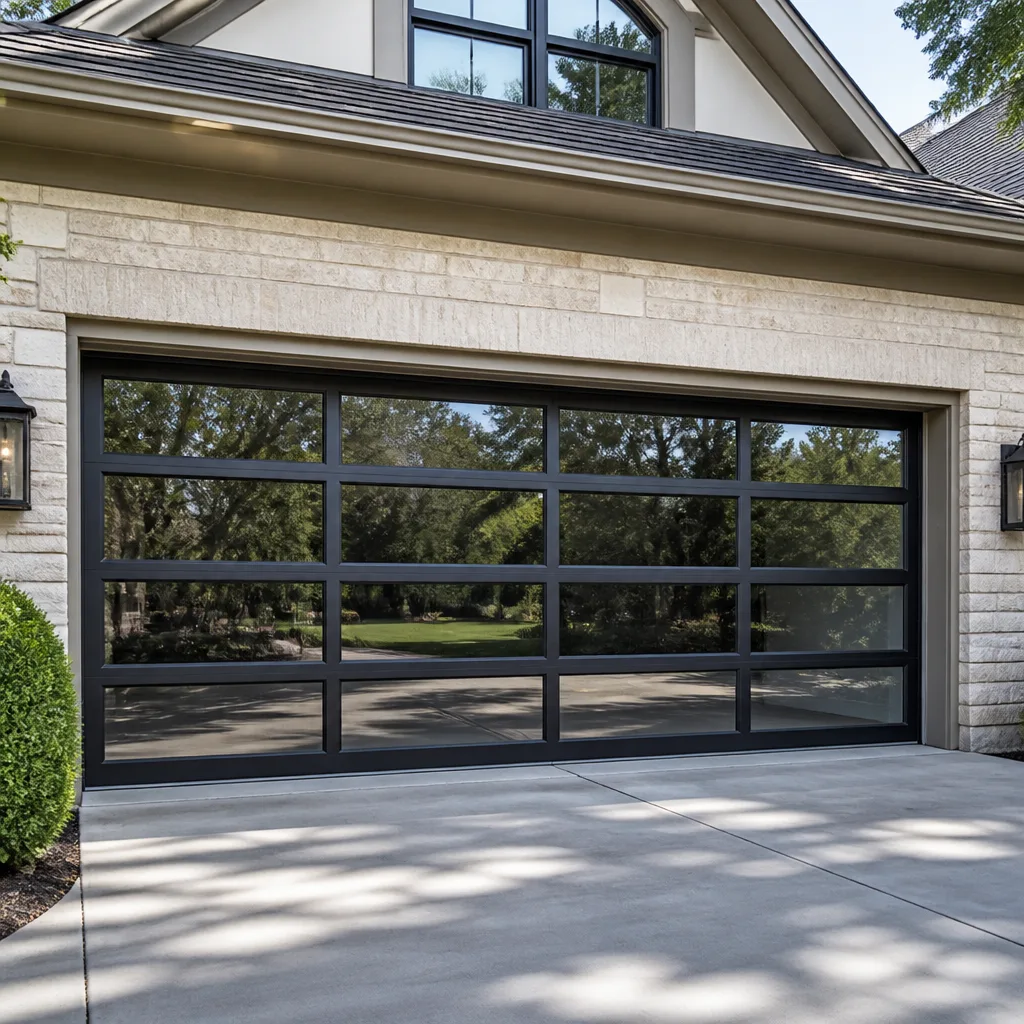 Full-view glass
 LiftMaster openers
 Chamberlain openers
Full 25-point door and opener safety check with every visit - springs, cables, rollers, tracks, and your LiftMaster or Chamberlain opener included
You get a price before we start. It does not change when the truck arrives.
Get your free estimateGarage Door Repair Maintenance Schedule: What to Do and When
Lubricating a garage door hinge that’s already cracked doesn’t maintain it. It just makes the cracking quieter. Most maintenance schedules you’ll find online skip the step that makes every other step worth doing: looking at the part before you spray it. A schedule built around arbitrary calendar reminders falls apart because a spring approaching 10,000 cycles doesn’t care what month it is. This guide ties each task to how the door actually ages, so you’re maintaining the right thing at the right time, not just following a list. In Compton, where garage doors run hard in dry heat and fine dust, that distinction matters more than most guides admit.
Styles & brands we work with
- Raised-panel steel
- Carriage house
- Modern flush
- Full-view glass
- LiftMaster openers
- Chamberlain openers
Quick Answer
A practical garage door maintenance schedule runs on two tracks: a 30-second balance test and visual inspection every six months you can do yourself, and annual professional service for spring tension, cable inspection under load, and opener force settings. Lubricate rollers, hinges, and springs twice a year with a lithium-based spray, but only after inspection, because lubricant never fixes a cracked part. Log what you do and when, because that history changes what gets quoted on a service call in Compton.
Table of Contents
- Component Lifespans: Why a Calendar Schedule Isn’t Enough
- The 30-Second Balance Test: What You’re Actually Checking
- Lubrication by Component: What to Use and What Never Touches What
- The Six-Month Homeowner Checklist
- Annual Professional Service: What a Technician Does That You Can’t
- How to Log Maintenance So a Technician Can See the Door’s History
- Why Compton’s Climate Changes the Schedule
- Common Mistakes to Avoid
- When to Call a Professional
- Frequently Asked Questions
- The Bottom Line
Component Lifespans: Why a Calendar Schedule Isn’t Enough
A garage door is not one machine with one lifespan. It’s an assembly of parts that age at completely different rates, and a maintenance schedule that treats them as one thing will miss the failures that actually happen. The spring is the best example, and it’s the part most homeowners misunderstand. A torsion spring is rated in cycles: one open-and-close equals one cycle. Standard springs are rated for roughly 7,000 to 10,000 cycles. Your usage determines how many cycles you rack up in a year, not how many months pass. A door that cycles four times a day eats through a 10,000-cycle spring in under seven years. A door that cycles ten times a day needs the same spring replaced in about three years. The calendar tells you nothing. The odometer tells you everything.
Steel rollers in ball-bearing housings typically run 10 to 15 years before the bearings start grinding. Nylon rollers with sealed bearings can go longer but still wear at the stem. Cables, the braided steel lines that run along each side, usually last 8 to 12 years under normal load, but a corroded or fraying cable can fail in half that time if the door has a balance problem it’s been compensating for. Hinges are the fastest-wearing hardware on the door: the bottom hinge takes the most torque every cycle, and it’s usually the first to crack at the pin sleeve. You can get 15 to 20 years out of a well-lubricated hinge, or five years out of one that runs dry and binds. The door panel itself, whether it’s a Clopay, Amarr, or Wayne Dalton, is the longest-lived component, but only if the hardware carrying it isn’t pulling against the stress points.
This is why a maintenance schedule has to be built around inspection before lubrication, and around component condition rather than a date on the fridge. In Compton’s dry, dusty air, hinges and rollers pick up fine grit that accelerates wear even when they’re lubricated once a year. The schedule below splits tasks by what you can see and do, and what a technician has to handle.
The 30-Second Balance Test: What You’re Actually Checking
This is the single highest-value maintenance step a homeowner can do, and it takes less time than making a cup of coffee. Here’s what you’re checking, and why it matters more than lubrication.
What to do:
- Close the garage door completely.
- Pull the red emergency release handle on the opener rail so the door disconnects from the trolley.
- Lift the door manually by the handle until it’s about waist high.
- Let go, but stay ready to catch it.
What should happen: the door stays roughly in place, drifting no more than a few inches either way. What it tells you if it doesn’t: an unbalanced door is fighting its springs on every single cycle. If the door drops, the springs have lost tension and the opener motor is doing work they should be doing. If the door shoots up, the springs are carrying too much tension and the door is going to slam at the top of its travel. Both cases wear out the opener’s gear and sprocket faster than any other factor, and both mean the springs need a tension adjustment. That’s not a homeowner task. Torsion springs are under enough tension to cause serious injury, and garage door repair on spring tension should always be handled by someone trained to work with that stored energy safely.
Run this test every six months, or right after a spring replacement, or any time the door seems heavier or faster than it used to be. An unbalanced door is the most common thing we find on service calls in Compton where the homeowner says the opener “just suddenly stopped working.” The opener didn’t stop working. It was worked to death.
Lubrication by Component: What to Use and What Never Touches What
Lubrication is the one maintenance task nearly every homeowner attempts, and it’s the one most often done wrong. The mistake isn’t usually the product. It’s the assumption that one product works for everything. It doesn’t.
The rule by component:
- Steel rollers with exposed bearings: a lithium-based spray grease is fine. Apply it at the bearing, not the wheel face.
- Nylon rollers with sealed bearings: do not lubricate the bearing at all. Sealed means sealed. Spraying lubricant at a sealed bearing just gives dust something to stick to, and in Compton there’s plenty of dust. If a sealed roller is grinding, it’s being replaced, not sprayed.
- Hinges: spray the pin and pivot points. A drop of white lithium grease at each hinge pin is enough. Wipe off the excess so grit doesn’t collect.
- Torsion springs: a light lithium spray along the coils helps them settle without binding against each other. You’re not making the spring stronger; you’re keeping the coils from scraping as they wind and unwind.
- Rubber seals and weatherstripping: never use petroleum-based products. They’ll swell the rubber and cause it to crack or pull loose. Use a silicone-based dressing, or clean them with mild soap and water and leave them alone. This is the part where the same product that saved your rollers destroys the bottom seal.
- Opener rail: use the product the opener manufacturer specifies. A LiftMaster or Genie rail has different lube requirements than garage door hardware, and a wrong product here gums up the trolley.
Lubrication happens twice a year, but only after inspection. The order always goes: look, clean, lube. If the hinge is cracked, lubrication doesn’t un-crack it. It just makes the failure quieter while it finishes letting go.
The Six-Month Homeowner Checklist
This is the practical twice-a-year routine for a homeowner in Compton. It takes about 20 minutes, and every step is safe to do yourself. If any step turns up something you don’t like, that’s what a professional call is for.
- Run the balance test exactly as described above. Note whether the door held, dropped, or rose.
- Watch and listen to one full open-close cycle. You’re looking for jerky movement, a lurch at the bottom panel, or a grinding noise from the rollers. A smooth door is quiet. A door with a problem announces it, but only if you’re actually watching.
- Check the cables on both sides. Look for frayed strands, rust, or a cable that looks slack when the door is down. Do not touch or attempt to adjust cables under tension. Just look.
- Inspect each hinge, starting with the bottom one. Look for cracks at the pivot, a loose pin, or a hinge that’s pulling away from the panel.
- Check the weatherstripping along the bottom and sides. In Compton’s heat, rubber dries and shrinks. A gap at the bottom lets dust, pests, and hot air in.
- Inspect and then lubricate rollers, hinges, and springs per the component rules above. Wipe excess.
- Test the auto-reverse safety feature. Place a rolled-up towel flat in the door’s path and close the door. It should reverse within two seconds of contact. This is a safety system, not a convenience, and it’s the one check most people skip.
Do this in spring and fall. Not because the door cares about the seasons, but because it’s easier to remember when you’re already resetting clocks and checking smoke detectors. If you’re a Genie or Chamberlain opener user, keep the auto-reverse test on this list even when everything else looks fine: it’s the one failure that can hurt someone.
Annual Professional Service: What a Technician Does That You Can’t
Once a year, the door should see a professional. Not because the homeowner checklist is insufficient, but because several critical checks can’t be done safely from the ground with the spring under full tension.
What an annual service call includes:
- Spring tension adjustment: torsion springs store enormous energy. Checking and correcting tension requires winding bars and technique. This is the number-one job that should never be a DIY project, and the number-one source of serious garage-door injuries.
- Cable inspection under load: a cable can look fine while the door is at rest and be seconds from failure when the spring is wound. A technician removes the load and checks for internal strand fatigue.
- Roller and track alignment: tracks can shift slightly over time, especially in homes that settle or where the door gets bumped. Misaligned tracks are gradual and often invisible to someone who sees the door every day.
- Opener force and travel limits: over time, the opener’s settings drift. If the force is too high, the auto-reverse becomes less effective. A technician sets force and travel properly for the door’s current weight and balance.
- Bracket and fastener torque: every bolt on the door is working against vibration with every cycle. Loose brackets cause panel separation and cable derailment.
The value of this isn’t just the work done. It’s the record. A log entry that says “spring tension corrected, cable inspected, force settings reset” tells the next technician what’s been handled and when. In Compton, where we work across the full range of residential brands from production-line units to architectural-grade doors, the annual visit is also when a homeowner with a Wayne Dalton or Amarr panel gets brand-specific attention that a general handyman can’t provide.
How to Log Maintenance So a Technician Can See the Door’s History
Paper logs die in a kitchen drawer. But a maintenance history that actually gets used changes what a technician sees on a service call. Here’s the minimal version that works.
Use a note in your phone, or tape a card to the inside of the garage wall near the door. Log these five things:
- Date of every inspection and every professional visit.
- Who did it: homeowner checklist or professional service.
- What was found: even “nothing out of the ordinary” is useful. It means the problem that appears next month is new, not chronic.
- What was done: lubricated, adjusted, replaced. Include the part replaced and, if you know it, the brand.
- Parts replaced and their date: spring date is the most valuable entry on the card.
Why it matters on a call: a technician looking at a sagging door sees what’s in front of them. A technician with a log sees that the rollers were replaced 18 months ago and the spring is original, which points the diagnosis at spring tension instead of roller wear. That cuts the diagnostic time and keeps the quote honest. It also prevents the frustrating “we fixed that last year” conversations where neither party has any record. When you call Garage Door Service Compton for a service visit, a maintenance log gets the technician to the right answer faster, whether the door is a Clopay steel panel or a Craftsman builder-grade unit.
Why Compton’s Climate Changes the Schedule
Compton’s climate does not freeze a garage door, and it doesn’t rust one with salt air. What it does is dry everything out, coat everything in fine dust, and bake rubber until it shrinks. That means the maintenance schedule for a Compton garage door runs a little differently than a schedule written for somewhere with seasons and humidity.
Dust is the biggest variable. It gets into every lubricated surface and turns grease into grinding paste. Homeowners in Compton should wipe hinge and roller areas before lubricating, not just spray over what’s already there. The six-month checklist matters more here, not less, because dusty lubricant is worse than no lubricant.
Heat affects rubber seals. Bottom weatherstripping dries, cracks, and pulls away from the door edge, and side seals shrink. This isn’t a safety issue, but it changes the garage environment: more dust, more pests, more hot air. A visual check of the seals should be part of every six-month pass. If you’re seeing daylight under the closed door in a Compton garage, the seal has failed even if it looks intact from inside.
Hail is uncommon in Compton, so impact damage is rarely a hail story. When panel damage does happen, it’s usually from a vehicle bump inside the garage or debris in a wind event. The maintenance angle is the same: the cosmetic dent is one thing, but the track misalignment or hinge stress it causes is the thing to watch.
Compton garages often double as workspaces, and a door that cycles eight or ten times a day ages the spring at triple the rate of a door that goes up twice. If your household runs the door constantly, don’t wait for a calendar year to think about the spring. Count the cycles in your own head and know that a 10,000-cycle spring is a wear item, not a permanent fixture.
Common Mistakes to Avoid
- Lubricating without inspecting. A cracked hinge doesn’t get better because it’s quieter. Look first from now on, and never use lubricant as a fix.
- Using the garage door opener as the maintenance tool. The opener is a motor, not a diagnostic device. It will keep pulling a door with a failing spring until the opener itself burns out. That’s the most expensive way to discover a balance problem.
- Lubricating sealed bearings. Nylon rollers with sealed bearings are sealed for a reason. Spraying them gives Compton’s dust something to stick to, and the bearing grinds anyway.
- Ignoring the auto-reverse test. It’s the one safety check most homes skip, and it’s the only one that can directly hurt a person or an animal before the door shows any visible problem.
- Adjusting or replacing springs as a DIY project. Torsion springs store enormous energy, and a winding bar slip during a tension adjustment is a life-changing injury. A professional call is the only correct tool for this job.
- Waiting for a noise to stop before addressing it. A grinding roller or a loud spring doesn’t go quiet because it healed. It goes quiet because the part finished breaking. Noise is the early warning, not the failure.
- Treating the door as one component. The springs, cables, rollers, hinges, and seals all have their own lifespans. A maintenance schedule that treats them as one item will always miss the part that’s actually close to failing.
When to Call a Professional
Some things belong on the homeowner checklist. Others don’t. Call a professional if the door drops or shoots up during the balance test, if any cable shows fraying or rust, if a spring is visibly stretched or separated, if the opener is grinding but the door moves fine when disconnected, or if you hear a bang from the garage and the door stops working entirely. That last one is usually a spring letting go, and the door now weighs 150 to 300 pounds more than the opener is rated to lift. Don’t force it. Garage Door Service Compton offers free estimates in Compton – call (833) 593-3930 to schedule a professional inspection.
Frequently Asked Questions
Run a six-month homeowner checklist and a 30-second balance test twice a year, and schedule professional service once annually. The professional visit covers spring tension, cable inspection under load, and opener force settings, which are not safe for a homeowner to handle.
No. Inspection, lubrication, and cleaning are safe for homeowners. Spring tension adjustment and cable work under load are not. Torsion springs store enough energy to cause serious injury, and the only safe tool for that work is a trained professional.
The door will run out of balance, the opener will work harder against the added load, and the springs, cables, or rollers will fail at the least convenient time. An unmaintained door doesn’t usually stop working all at once. It wears out the opener first, then the hardware lets go.
Professional annual service is priced per job, and the estimate is free. The cost depends on what’s found during the inspection and what’s adjusted or replaced. The written estimate is the price, and it’s quoted before any work starts. Call (833) 593-3930 to schedule an inspection and get a written estimate.
If the noise is still there after proper lubrication, the part making the noise is already failing. A cracked hinge, a grinding roller bearing, or a stretched cable makes noise that lubricant can’t fix. The lubrication step only works on parts that are still in good condition.
Somewhat. The dryness and dust in Compton mean lubricated parts should be wiped before relubrication more often, and rubber seals should be checked twice a year for heat-related cracking. The schedule itself doesn’t change, but the inspection eyes do.
The Bottom Line
A garage door maintenance schedule only works if it respects the way the door actually ages. The spring has a cycle count, not a birthday. The rollers, hinges, cables, and seals each age on their own timeline, and the schedule’s job is to catch each one before it fails, not to spray everything on the same calendar day. Run the balance test every six months, lubricate only after inspection, use the right product for each component, and keep a log that makes the next service call faster and more accurate. Professional annual service is not optional: spring tension and cable safety require a trained hand. When a component does fail, garage door opener repair and full hardware service are single-trade specialties at Garage Door Service Compton, and the team is factory-familiar with the brands in your garage. For an inspection or a specific diagnosis, call (833) 593-3930 for a free estimate in Compton. We answer 24/7. Fast dispatch from 7am to 7pm, Sunday through Friday.
Written by the team at Garage Door Service Compton, serving Compton since 2012.
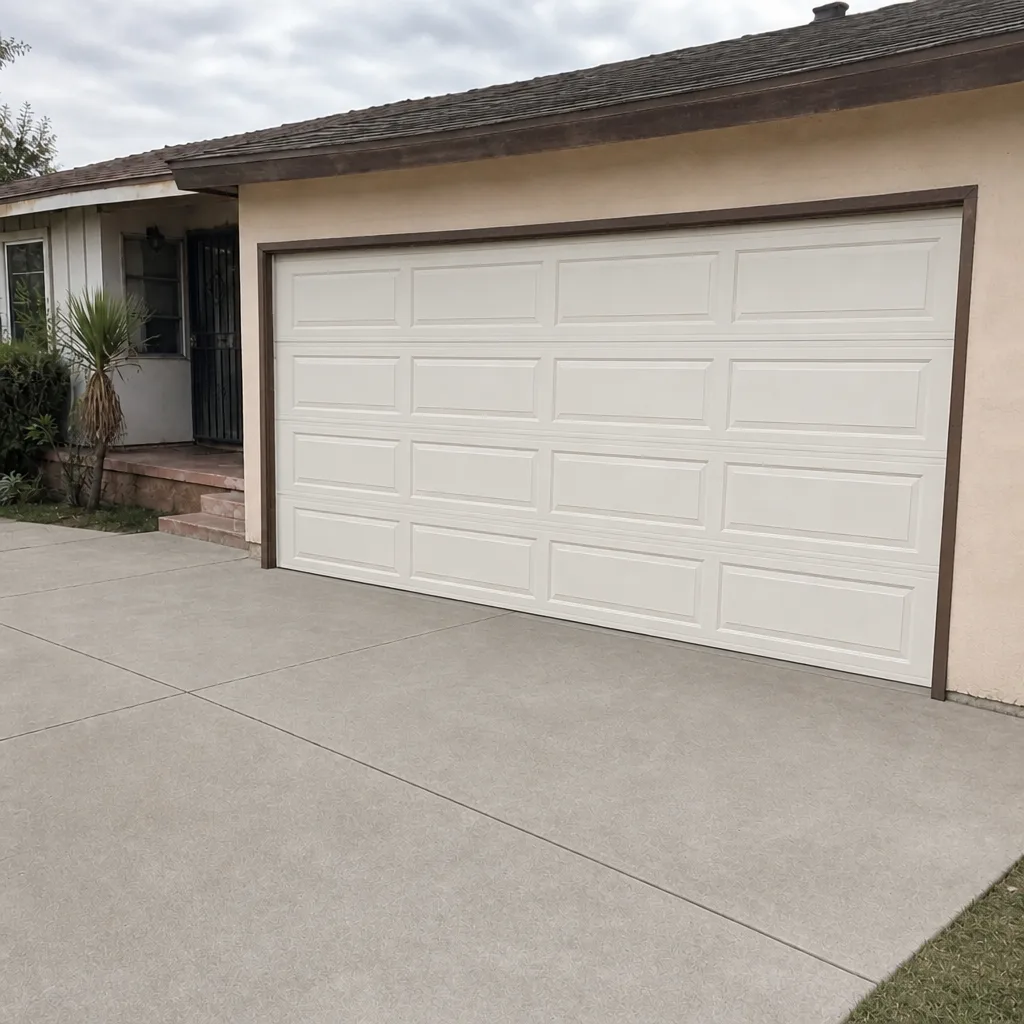
See the difference
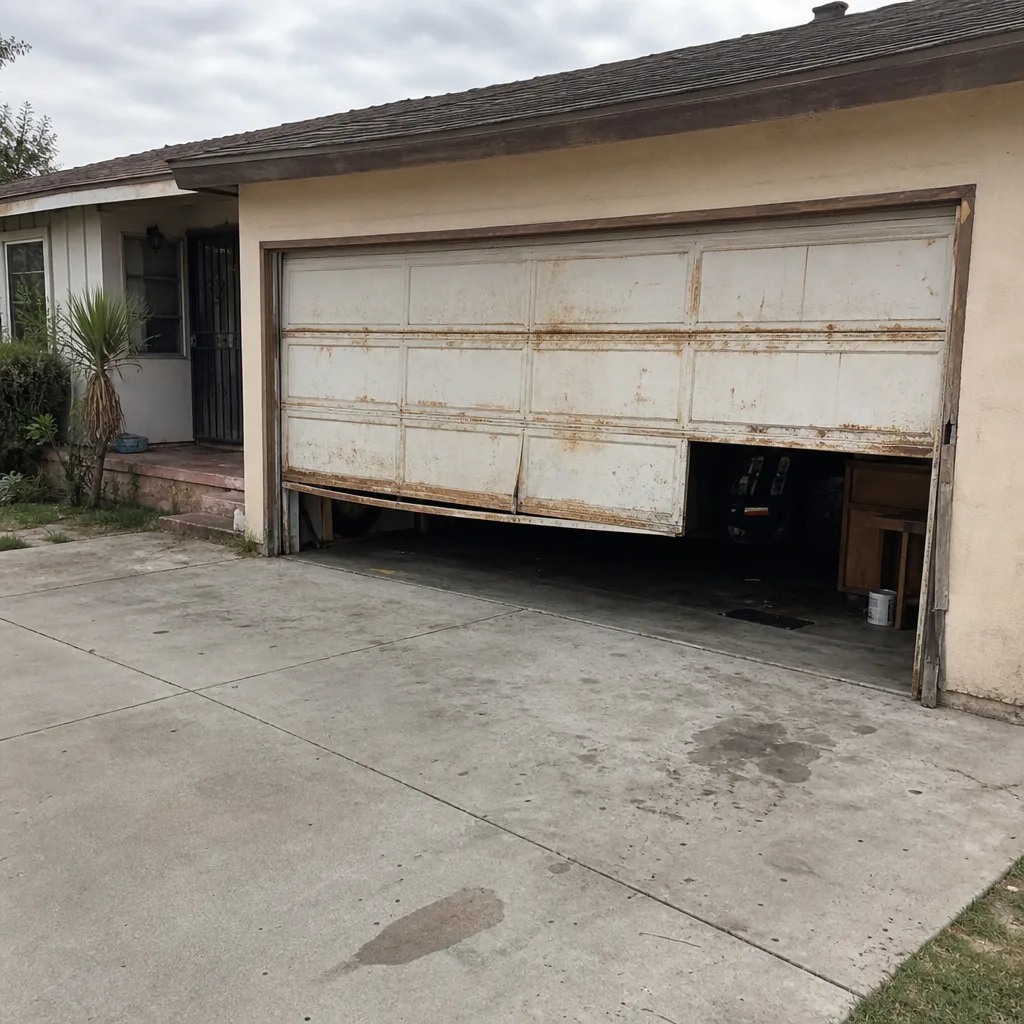 Before
 After
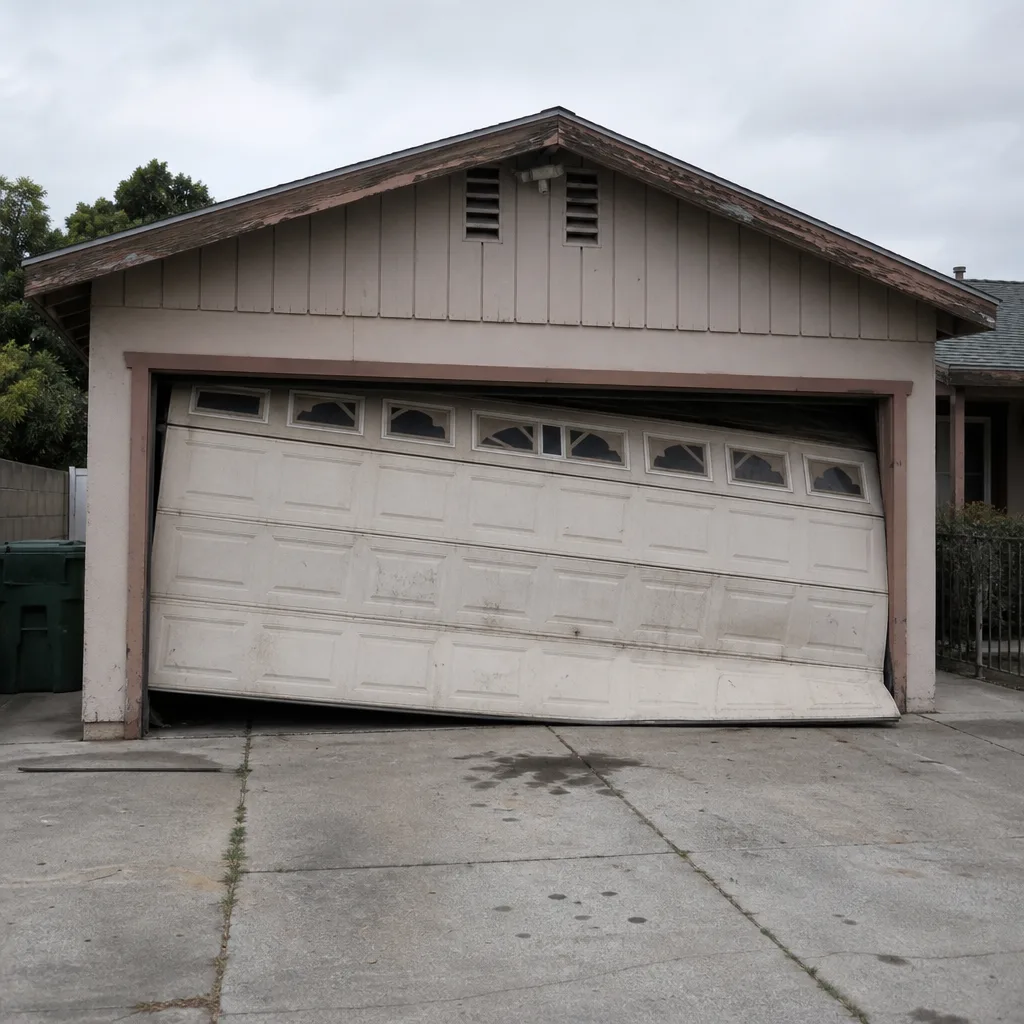 Before
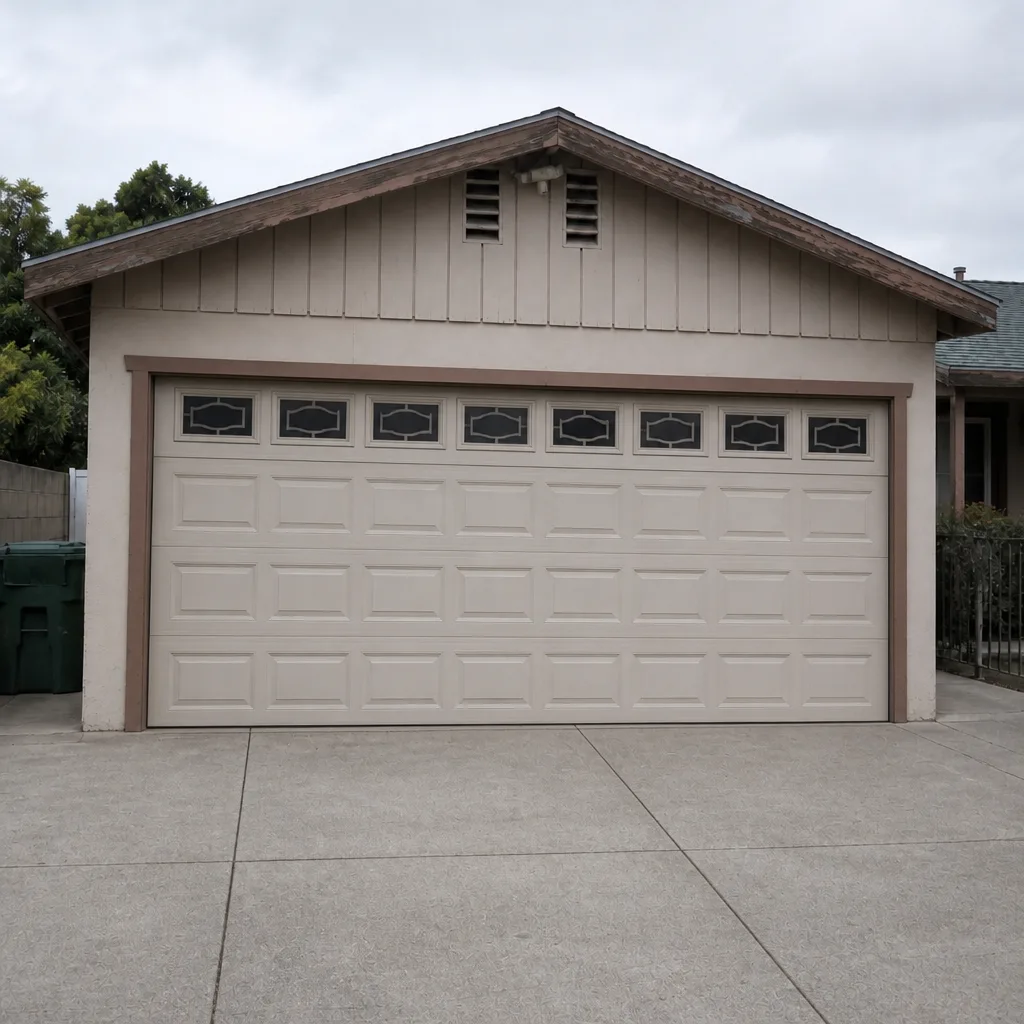 After
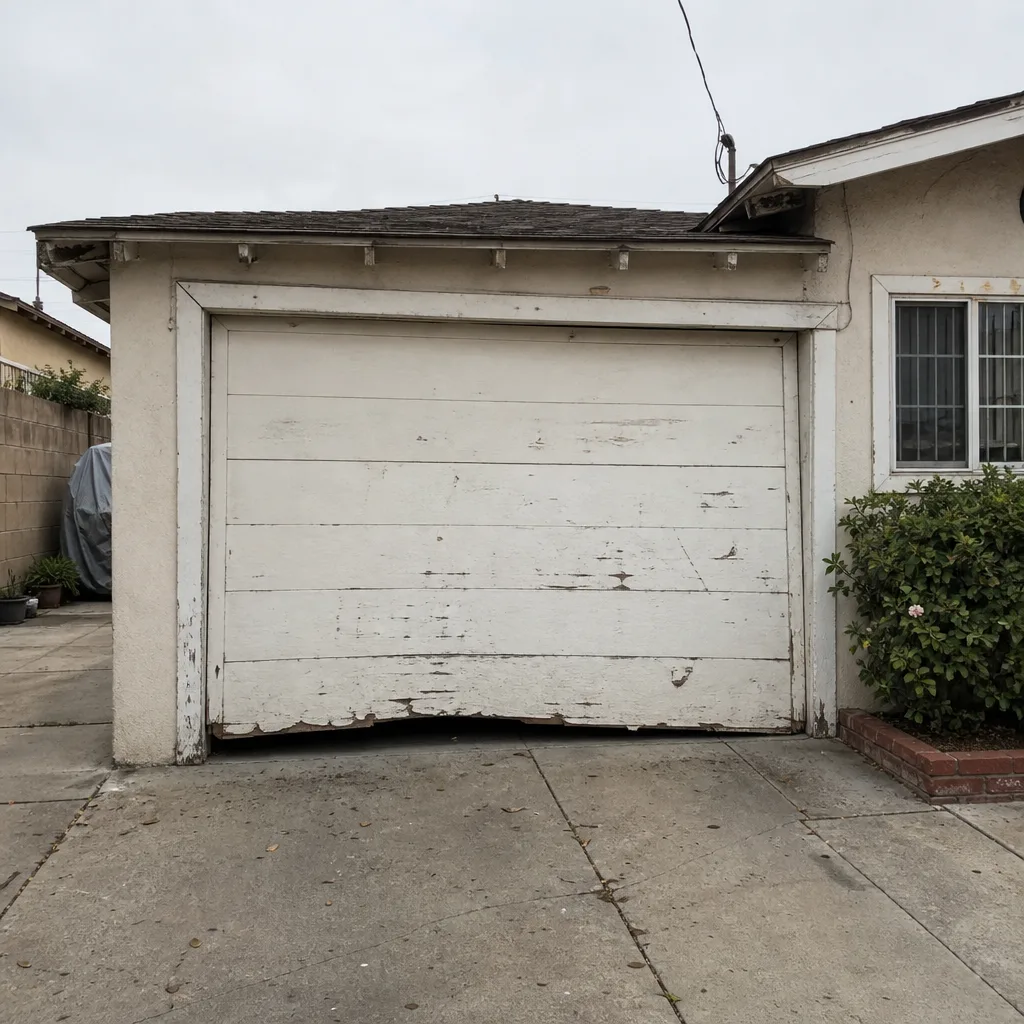 Before
 After