
Last updated November 4, 2026
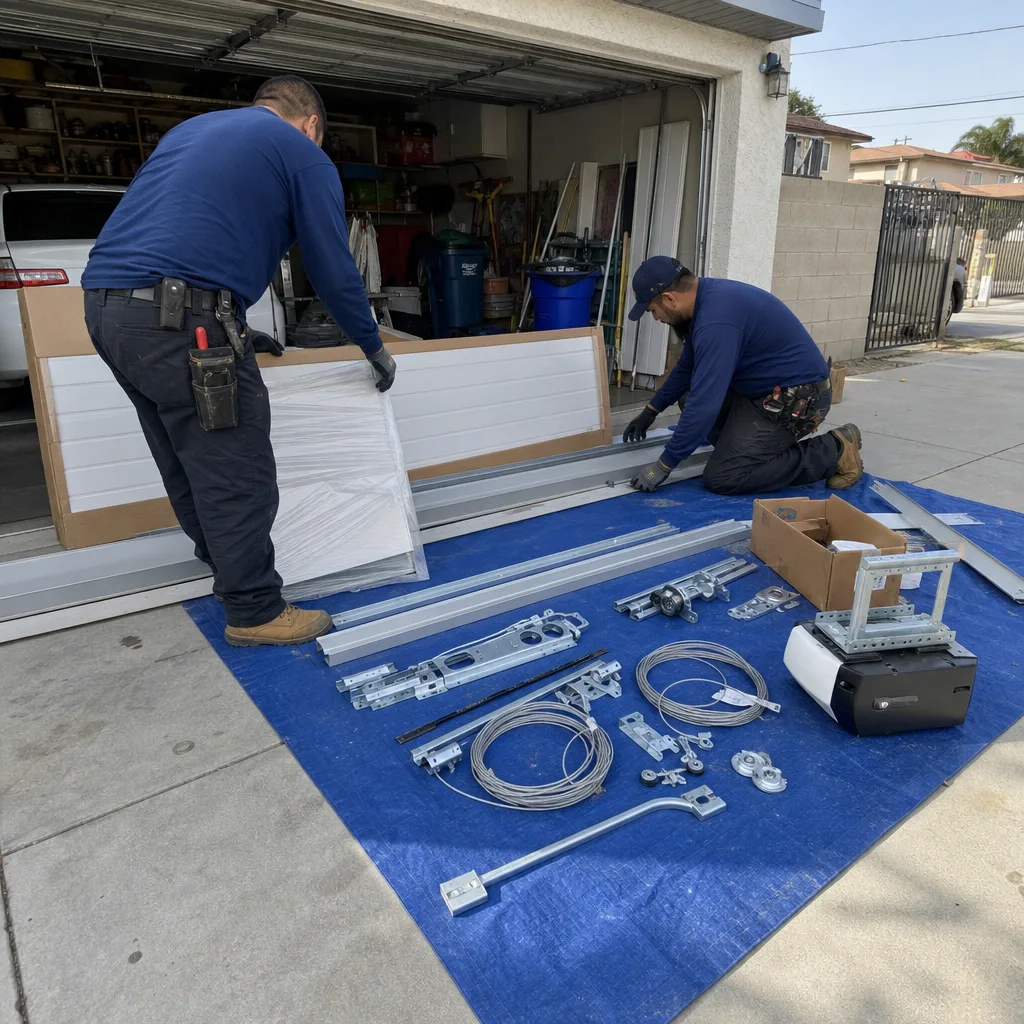
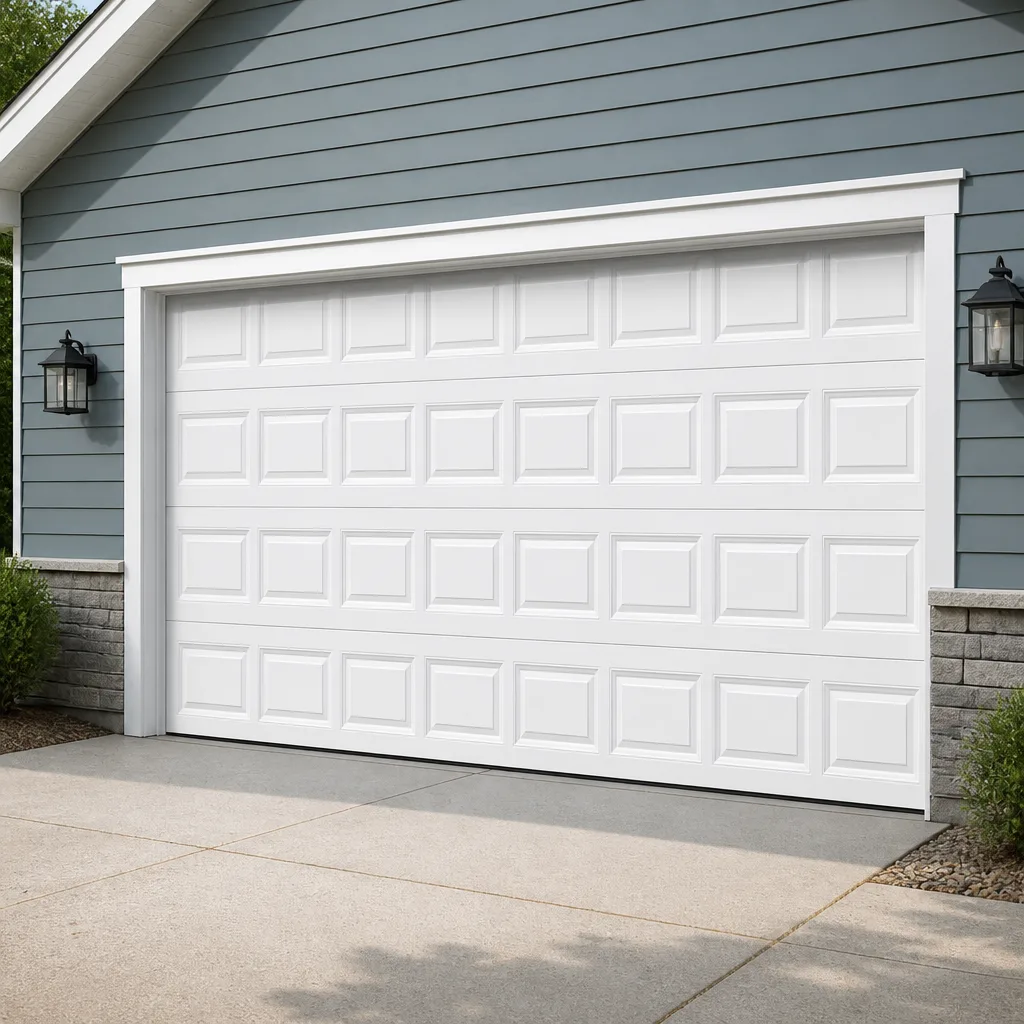 Raised-panel steel
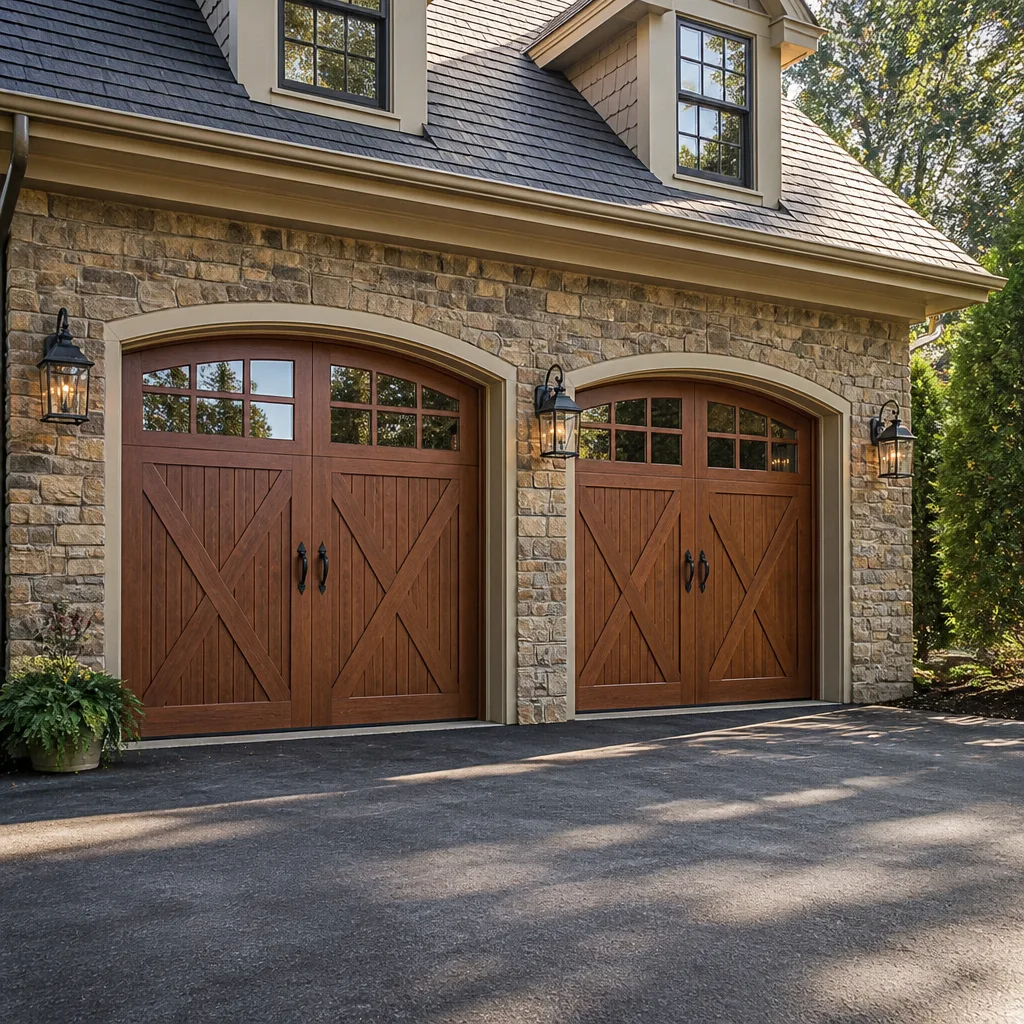 Carriage house
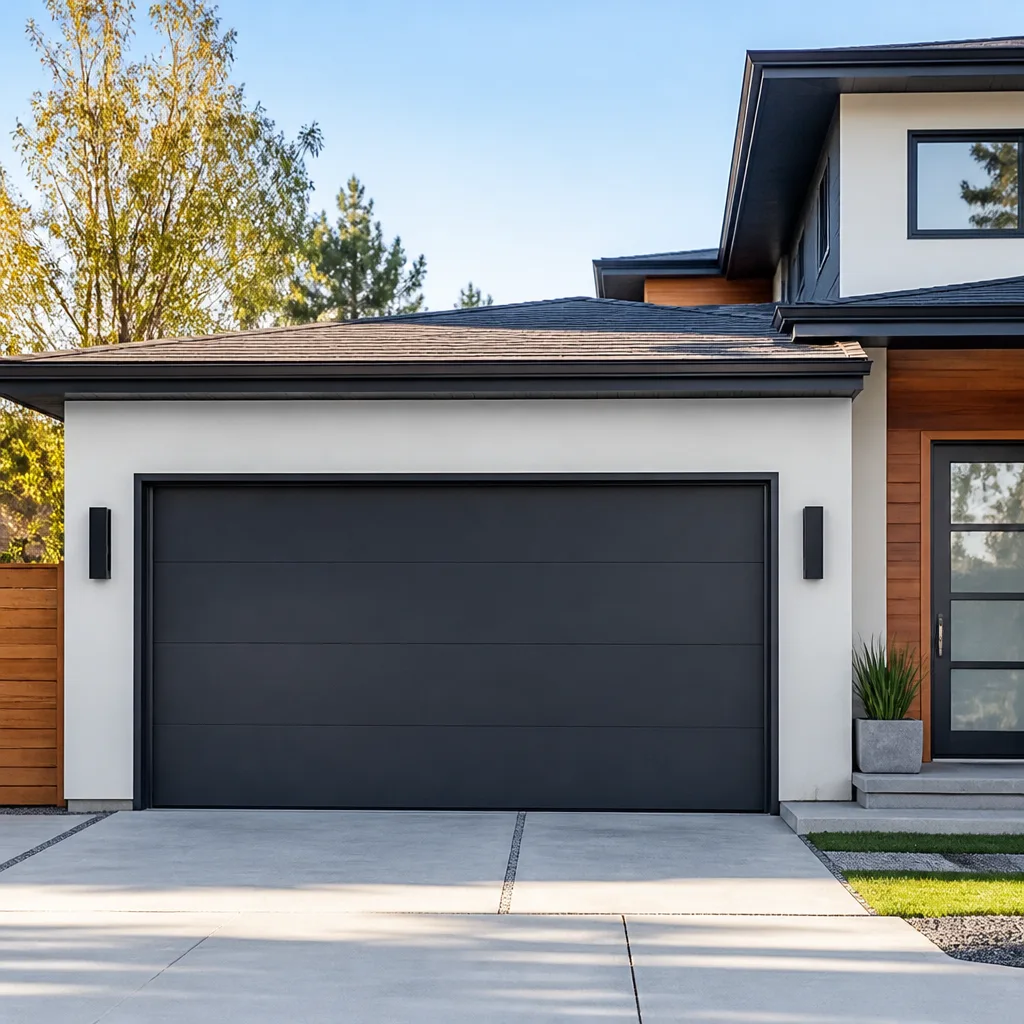 Modern flush
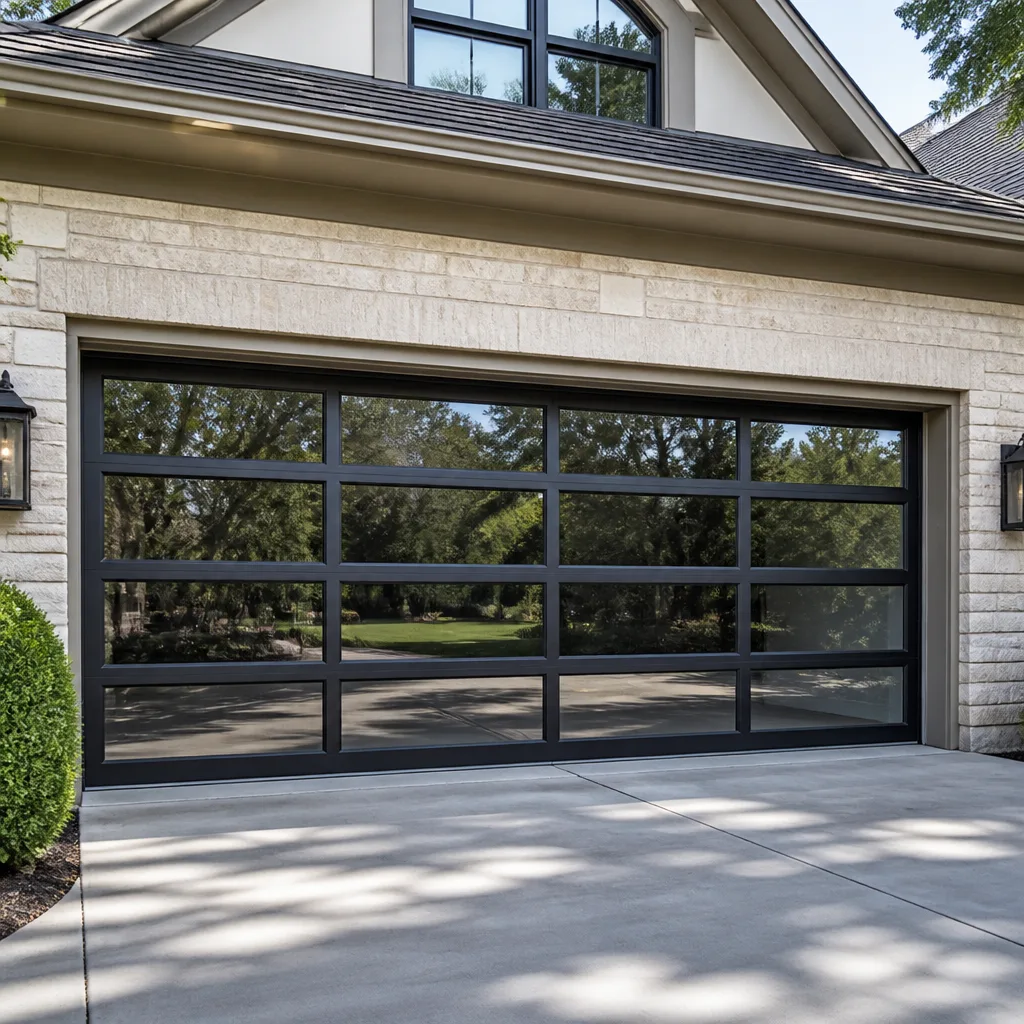 Full-view glass
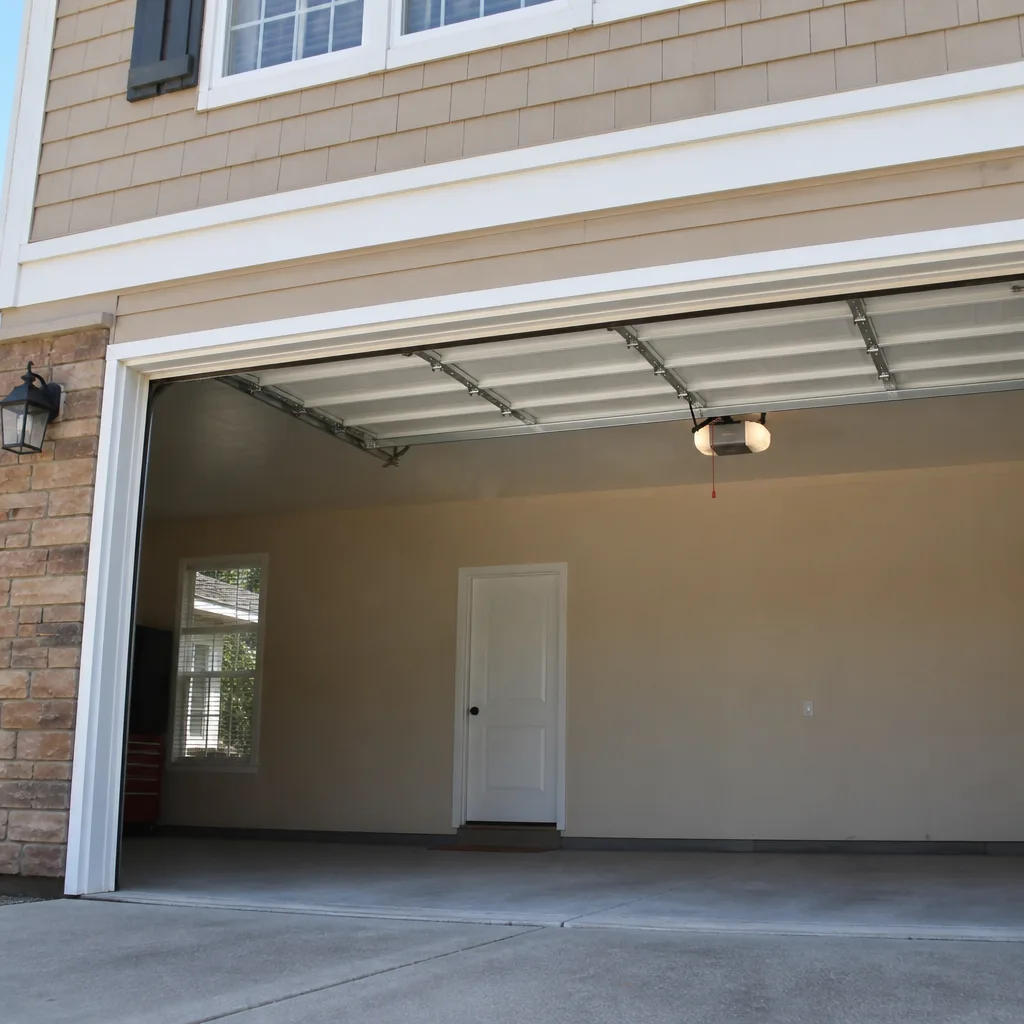 LiftMaster openers
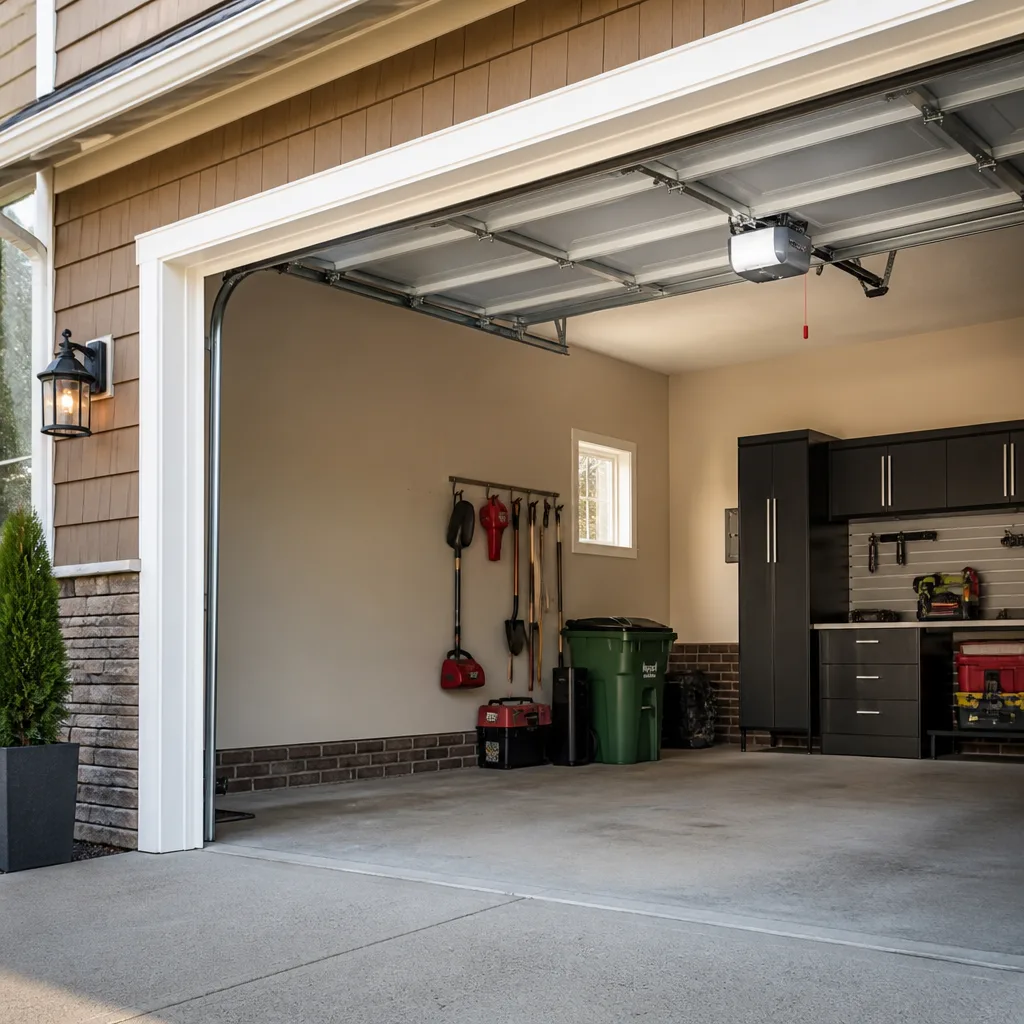 Chamberlain openers
Full 25-point door and opener safety check with every visit - springs, cables, rollers, tracks, and your LiftMaster or Chamberlain opener included
You get a price before we start. It does not change when the truck arrives.
Get your free estimateGarage Door Warning Signs: A Compton Homeowner’s Reference Guide
A garage door that’s “a little slow” and a garage door that’s about to drop a 150-pound panel on a car can look nearly identical to an untrained eye. The difference is in a handful of specific observations most people don’t know to make. This guide is built for Compton homeowners who want to decode what their door is actually telling them, before a noise becomes a breakdown and a breakdown becomes a bill. We’ll walk through the symptoms that matter, the ones that don’t, and when a repair window closes.
Quick Answer
Most garage door failures in Compton announce themselves weeks or months early through noise, uneven movement, or hesitation, and the single most important skill is telling a worn opener apart from a dying spring. Grinding, popping, frayed cables, and a door that reverses mid-travel are urgent signals that need same-week attention, while minor rattling or a slightly slow opener can often be scheduled on your terms. When in doubt, call Garage Door Service Compton for a professional read.
Styles & brands we work with
- Raised-panel steel
- Carriage house
- Modern flush
- Full-view glass
- LiftMaster openers
- Chamberlain openers
Table of Contents
- When a Slow Door Is a Serious Problem
- The Uneven Bottom Gap: Structural or Cosmetic
- Cable Fraying: The Injury You Shouldn’t Touch
- Opener Clicking, Reversing, or Refusing to Close
- Noise Classification: Grinding, Popping, Rattling, Scraping
- Spring Warning Signs Most People Miss
- Common Mistakes to Avoid
- When to Call a Professional
When a Slow Door Is a Serious Problem
A door that moves slower than it used to is one of the most commonly ignored warning signs in Compton, and it’s also one of the most misread. Homeowners tend to assume the opener is getting old. Sometimes it is. Sometimes the opener is working exactly as designed but it’s fighting a spring that has lost tension, which is a far more urgent situation. The way to tell the difference is to disconnect the opener, usually with the red release handle, and lift the door by hand. A balanced door stays where you put it, roughly waist high, and lifts without unusual strain. If the door feels heavy or wants to fall, the issue is the spring, not the opener. That’s a repair you want scheduled immediately, because a garage door with a failed spring is manually liftable only with serious effort and can come down hard on anything in its path.
In our experience, Compton homeowners often report the opener “sounds tired” or “whines” right before a spring lets go. What they’re hearing is the motor working harder than it ever should. We work on LiftMaster and Chamberlain openers every day, and the motor itself is rarely the first thing to fail. It’s usually the spring underneath it. If your door is slow and the opener is straining, call for garage door repair sooner rather than later. The difference between a spring replacement and a full door replacement can be measured in days.
The Uneven Bottom Gap: Structural or Cosmetic
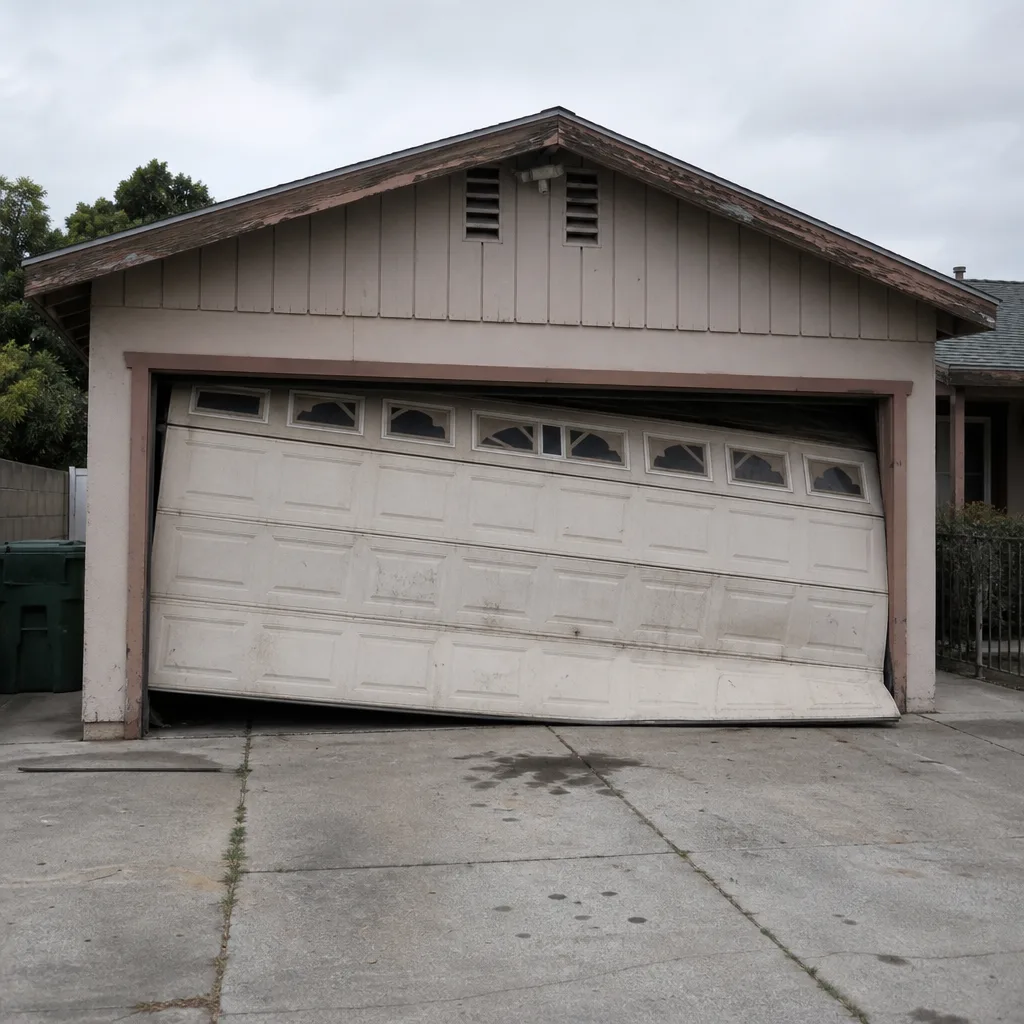
When a garage door closes and one corner of the bottom seal rests on the concrete while the other corner floats a quarter-inch or more above it, the first instinct is to worry about the door frame or the slab. In Compton, where garage floors are often old and settled, the concrete itself is frequently the cause. A door that is perfectly square can look crooked on a floor that has shifted over decades. Before assuming a structural issue, look at the gap pattern with the door closed, then open it and check whether the bottom edge of the door itself is parallel to the horizontal tracks. If the door panel is straight but the floor is not, the fix is often a thicker bottom seal or a threshold, not a door repair.
The structural version of this problem is different. If the door sits crooked in the opening even when you compare it to the header, or if one side of the door hangs lower than the other through the full travel cycle, you may have a cable that has stretched or slipped on its drum. That changes the load balance and can put uneven strain on the springs. A door that’s structurally out of level should be looked at quickly. Left alone, the heavier side works every component harder, and the eventual failure is rarely gentle. The good news is that a visual check takes a minute and tells you which situation you’re in. We’ve seen doors in Compton with both issues at once, which is why a professional assessment beats guessing.
Cable Fraying: The Injury You Shouldn’t Touch
Garage door cables are under high tension at all times, even when the door is open. They’re wound around drums at the top of the opening, and they carry a portion of the door’s weight on every cycle. When a cable starts to fray, it doesn’t fail predictably. It fails suddenly. A single broken strand is a “this week” repair, not a “next month” repair, because the remaining strands are now carrying a load they weren’t designed for, and they’re failing one at a time.
You can inspect cables without touching them. Stand inside the garage with the door closed, and look at the cables on both sides, from the bottom bracket up to the drum. You’re looking for fuzzy, unwound, or discolored sections. Rust on a cable is an additional warning sign because it means surface pitting, and pitting weakens the steel. If you see any of this, do not try to unwind, cut, or remove anything. Cables are not a DIY component. The same applies to springs. A trained professional knows how to release and replace these components safely, and in Compton, where many garages see daily use and older doors are common, cable wear is one of the most frequent findings on service calls. We carry replacement cables for a wide range of door brands, including Clopay and Amarr systems.
Opener Clicking, Reversing, or Refusing to Close
Openers make a specific set of sounds when something is wrong, and each one points at a different component. Clicking that happens when you press the remote or wall button, but without any motor movement, usually means the logic board received the signal but the motor relay didn’t fire, or the capacitor is weak. This is an opener repair, not a door problem. Reversing mid-travel, where the door starts to close and then goes back up, is usually one of three things: sensor misalignment, a track obstruction, or a force setting that’s too sensitive. The first two are quick checks. The third is an adjustment a garage door opener repair professional should make.
Refusing to close is sometimes confused with a bad opener, but it’s often the door itself binding. If the door struggles at a specific point in the track, the opener’s safety system interprets the resistance as an obstruction and reverses the door. This is a good safety feature working correctly, but it’s telling you the door needs attention. Genie, LiftMaster, and Chamberlain openers all use similar safety logic, and the symptom can look the same regardless of brand. The key diagnostic is whether the door moves freely by hand through the full travel. If it binds, the door and track need service. If it moves freely and the opener still misbehaves, the opener is the patient.
Noise Classification: Grinding, Popping, Rattling, Scraping
Garage doors are not quiet machines, but each sound has a meaning, and knowing the difference helps you describe the problem accurately when you call for service. We ask homeowners to pay attention to four specific noises.
- Grinding: A low, continuous metal-on-metal sound usually comes from the opener’s drive mechanism or a roller that’s seized. If the grinding is present only when the opener runs, the drive gear or sprocket is likely worn. If it’s present when you move the door by hand, look at the rollers.
- Popping: Popping is the sound of a spring binding and releasing, often at a specific point in the travel. This is frequently a sign that the spring is reaching the end of its service life. One pop may be nothing. Repeated pops at the same point are not.
- Rattling: Loose fasteners, worn hinges, or loose track brackets create a rattle that gets worse over time. A rattling door is usually safe to operate in the short term, but the hardware is working itself loose, and that creates new problems.
- Scraping: A scrape that happens at the same point on every cycle usually means the door is out of alignment or a roller bracket is bent. The panel isn’t the problem; the tracking is.
Many Compton homes have garages that open directly to the living space, which makes noise more than an annoyance. It’s diagnostic data. When you call us, telling us the sound is a “pop near the top” versus a “grind the whole way up” helps us bring the right parts on the first visit. That’s the difference between one trip and two.
Spring Warning Signs Most People Miss
Garage door springs are the hardest-working component on the entire system, and they fail on a cycle count, not a calendar. Every open and close is one cycle. The signs of a weakening spring are subtle at first.
- The door feels heavy when you release the opener. A balanced door is easy to lift by hand. A door that requires real effort means the spring has lost tension.
- The door sags when partially open. If you open the door halfway and it drifts down or up on its own, the spring is no longer holding the weight evenly.
- The top section shows a visible gap when closed. A weak spring lets the top panel pull away from the header slightly.
- You see a gap in the spring coil itself. Torsion springs are mounted above the door. A visible separation in the coil means the spring has broken.
If you have a broken spring, do not try to open the door with the opener. The door will still move, but the opener is now lifting the full weight by itself, and the strain can damage the operator. This is one of the most common ways a simple spring replacement turns into an opener replacement. We see it regularly in Compton, and it’s an expensive lesson. A broken spring is a same-week repair, and we can usually replace it on the first visit. Get a specialist to look at it. Garage doors are all we do, which means we do them right.
Common Mistakes to Avoid
- Lubricating a failing part instead of replacing it. Grease on a broken spring or a seized roller quiets the symptom, but the component is still failing. The noise will return, and the window for a smaller repair may have closed by then.
- Adjusting the opener’s force settings to “fix” a heavy door. Cranking up the force overrides the safety reverse system and puts the entire load on the opener. This is a specific way to burn out a LiftMaster or Chamberlain motor.
- Ignoring a door that’s slightly crooked because it still works. A door out of level puts uneven load on both cables and springs. The failure, when it comes, will be louder and more expensive.
- Trying to replace a cable without releasing the spring tension. This is how serious hand injuries happen. Cables and springs are under load even with the door shut. Call a professional.
- Waiting until the door won’t open to call. If your car is inside the garage, a door that won’t open means you’re stranded. Most failures give warning signs weeks ahead. The fix is faster and cheaper when caught early.
- Assuming all garage door companies work on all brands. We’re factory-familiar with LiftMaster, Chamberlain, Genie, Clopay, and several other major brands. That matters when parts need to be sourced quickly. A generalist with a search engine is not the same as a specialist who knows the system.
When to Call a Professional
Call when you see frayed cables, a visible spring gap, a door that won’t stay open, or an opener that reverses every time it tries to close. Call when the noise changes from something you recognize to something you don’t. These are not situations that improve with time. If you’re in Compton and you’re not sure whether a symptom is urgent, describe it to us. We answer 24/7. Garage Door Service Compton offers free estimates in Compton – call (833) 593-3930. Fast dispatch from 7am to 7pm, Sunday through Friday. The written estimate sets the price before any work starts, so there are no surprises.
See the difference
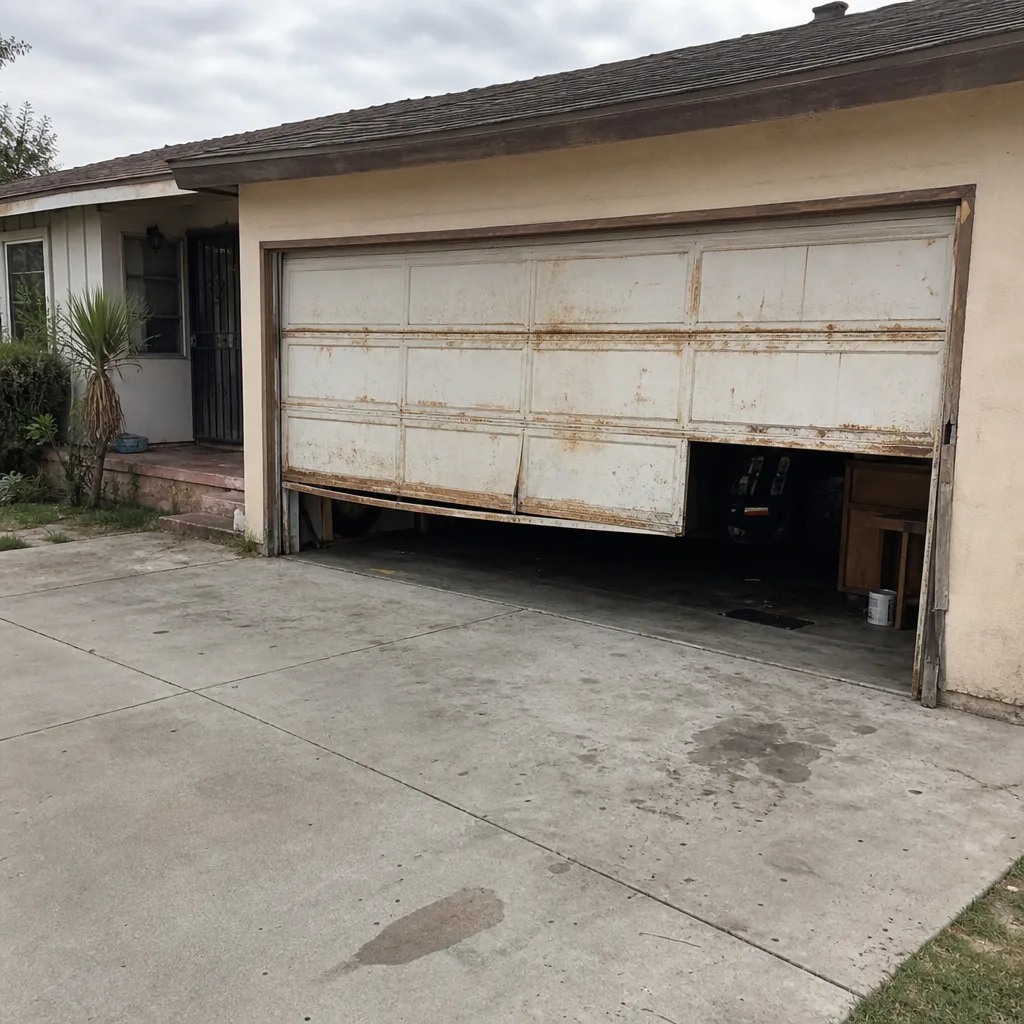 Before
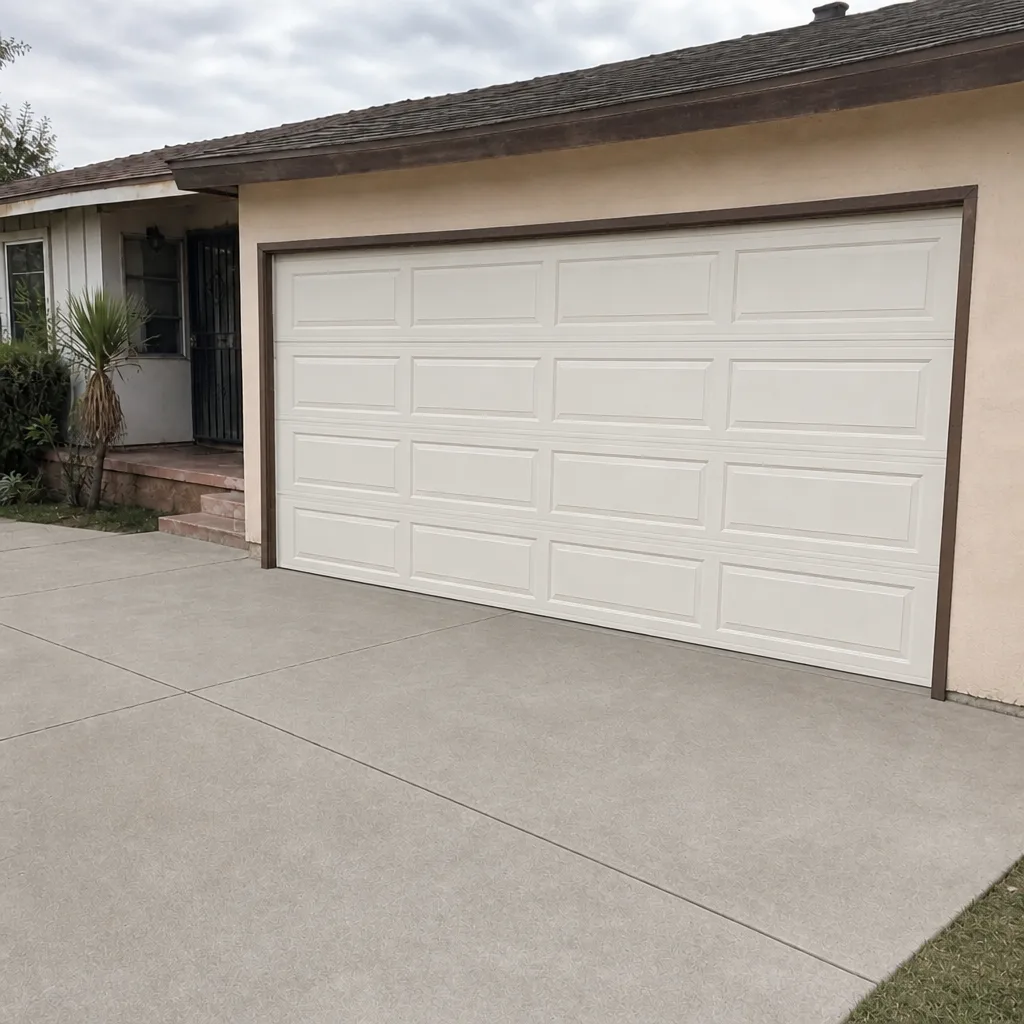 After
 Before
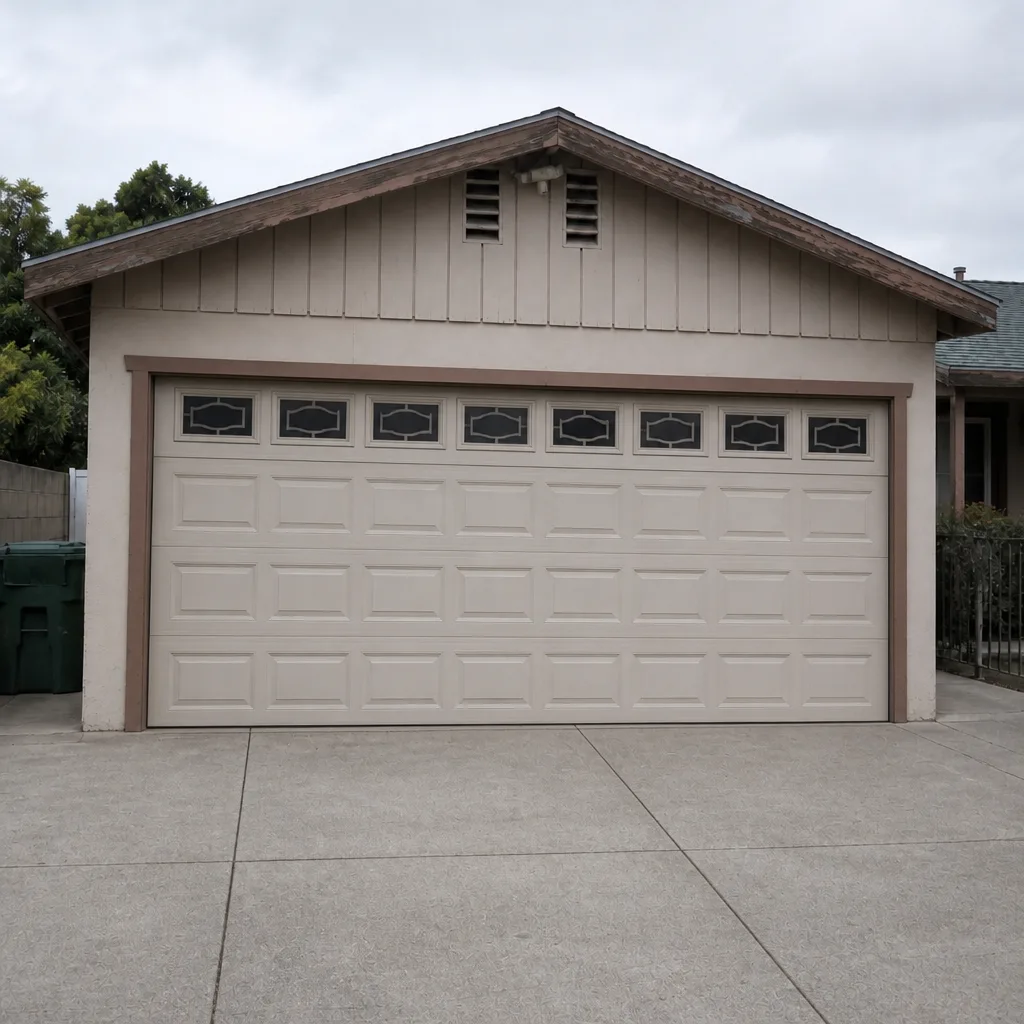 After
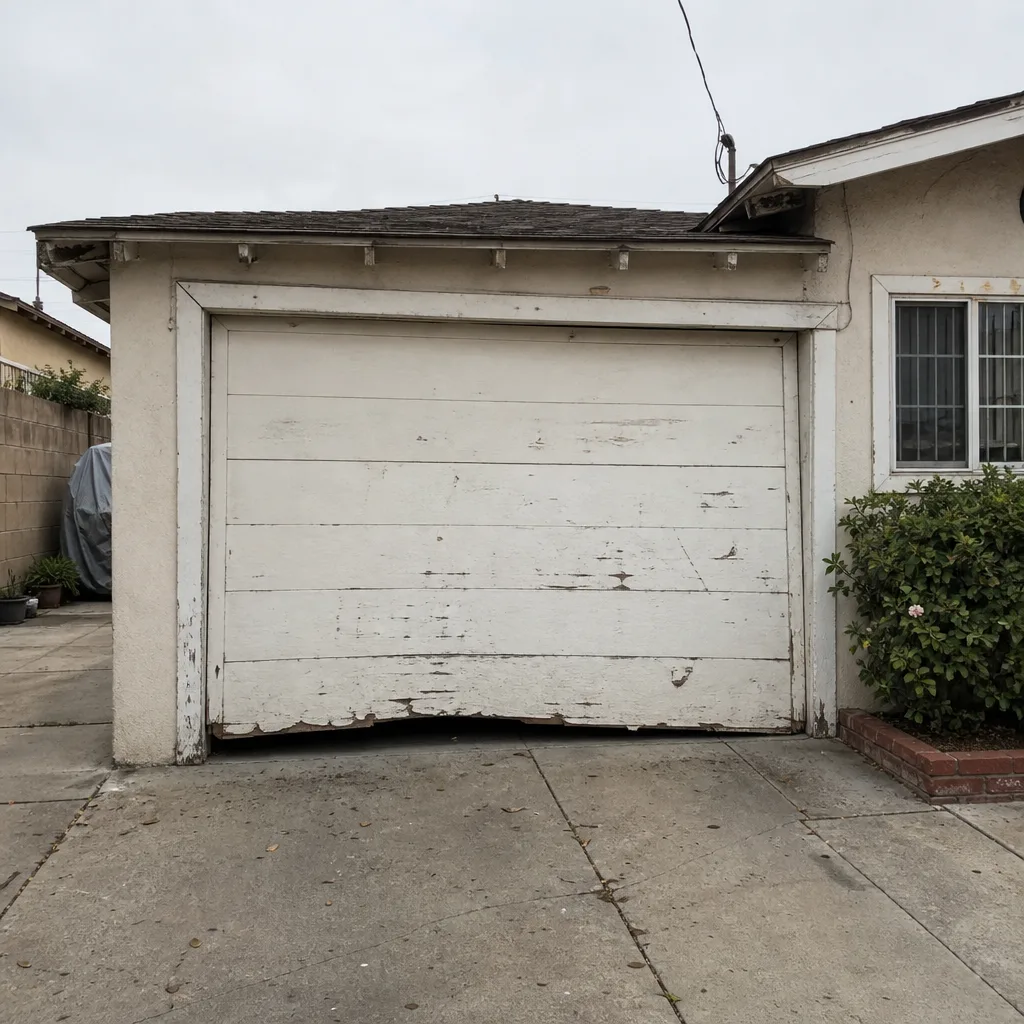 Before
 After
Frequently Asked Questions
You’ll usually see a visible gap in the coil if you have torsion springs mounted above the door, and the door will feel extremely heavy or won’t open at all when you release the opener. If the spring is broken, stop using the opener and call for service. We replace springs in Compton regularly, and the estimate is free.
The most common causes are misaligned safety sensors, an obstruction in the track, or a force setting that needs adjustment. Start by checking for anything blocking the sensor beam or the track path. If those are clear, the problem is likely mechanical or electrical, and that’s when you call us at (833) 593-3930.
No. Cables are under high tension, and replacing one without releasing the spring correctly can cause serious injury. This is one repair where we always recommend a trained professional. We handle cable replacement as part of our garage door repair work throughout Compton.
The cost depends on what’s failed, but a written estimate is provided before any work begins, and that estimate is what sets the price. Call (833) 593-3930 for a free estimate, and we’ll tell you exactly what’s needed and what it costs before you commit to anything.
No. The estimate we give you is based on a real assessment of your door, and the written estimate sets the final price. If additional work is needed beyond the original scope, we’ll discuss it and get your approval first. There are no surprise invoices at the end.
We’re factory-familiar with eight of the most widely installed residential brands, including LiftMaster, Chamberlain, Genie, Clopay, Amarr, Wayne Dalton, Craftsman, and Raynor. Whether your opener is a LiftMaster, Genie, or Chamberlain, we carry the parts and know the system. Get a specialist on-site, not a generalist with a search engine.
The Bottom Line
Most garage door failures in Compton give warning signs for weeks or months before they become emergencies. A slow door might be a spring, not an opener. A crooked door might be the floor, not the frame. A frayed cable is urgent whether or not you use the door every day. Learning to read these signs means smaller repairs instead of larger ones, and a door that keeps working instead of leaving your car trapped inside. When a sign shows up, don’t wait it out. Call garage door opener repair or full door service from the team at Garage Door Service Compton at (833) 593-3930. We answer 24/7, and estimates are always free.
Written by the team at Garage Door Service Compton, serving Compton since 2012.