
Last updated November 4, 2026
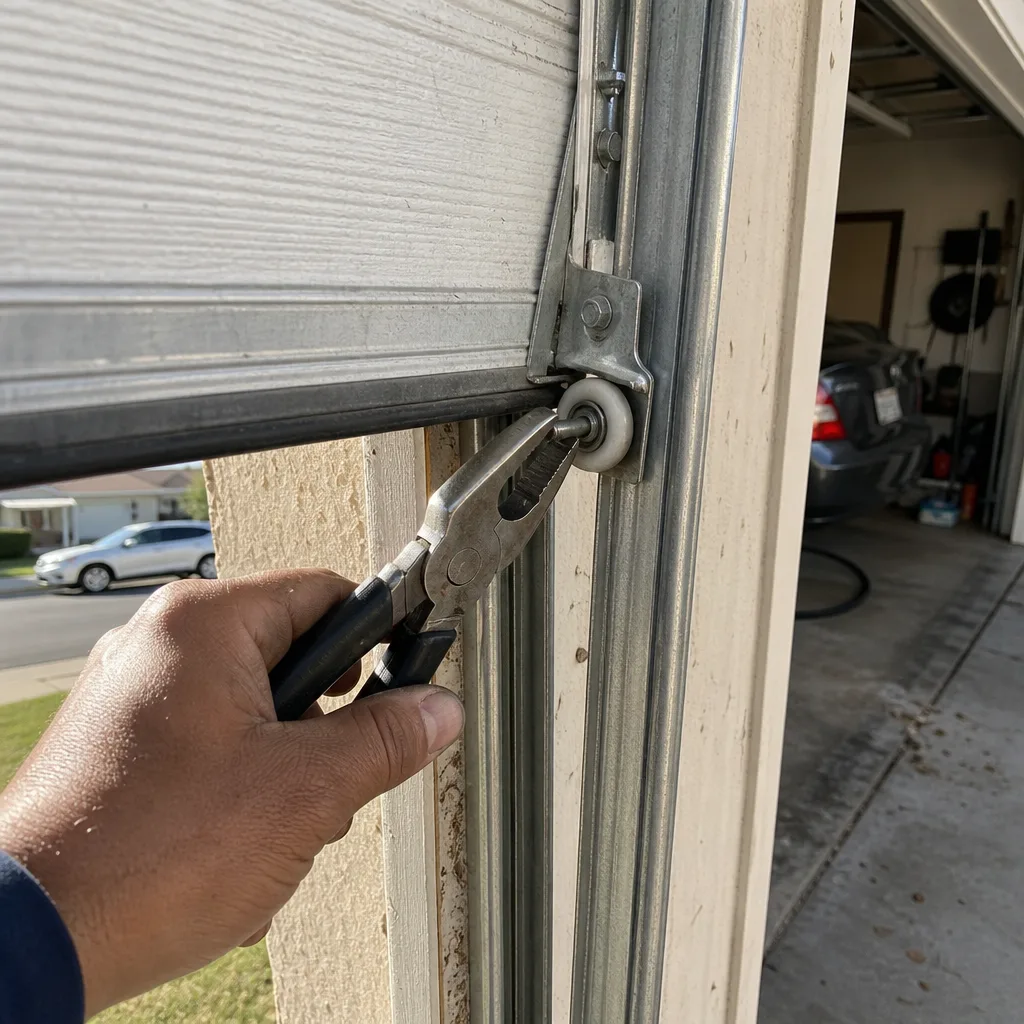
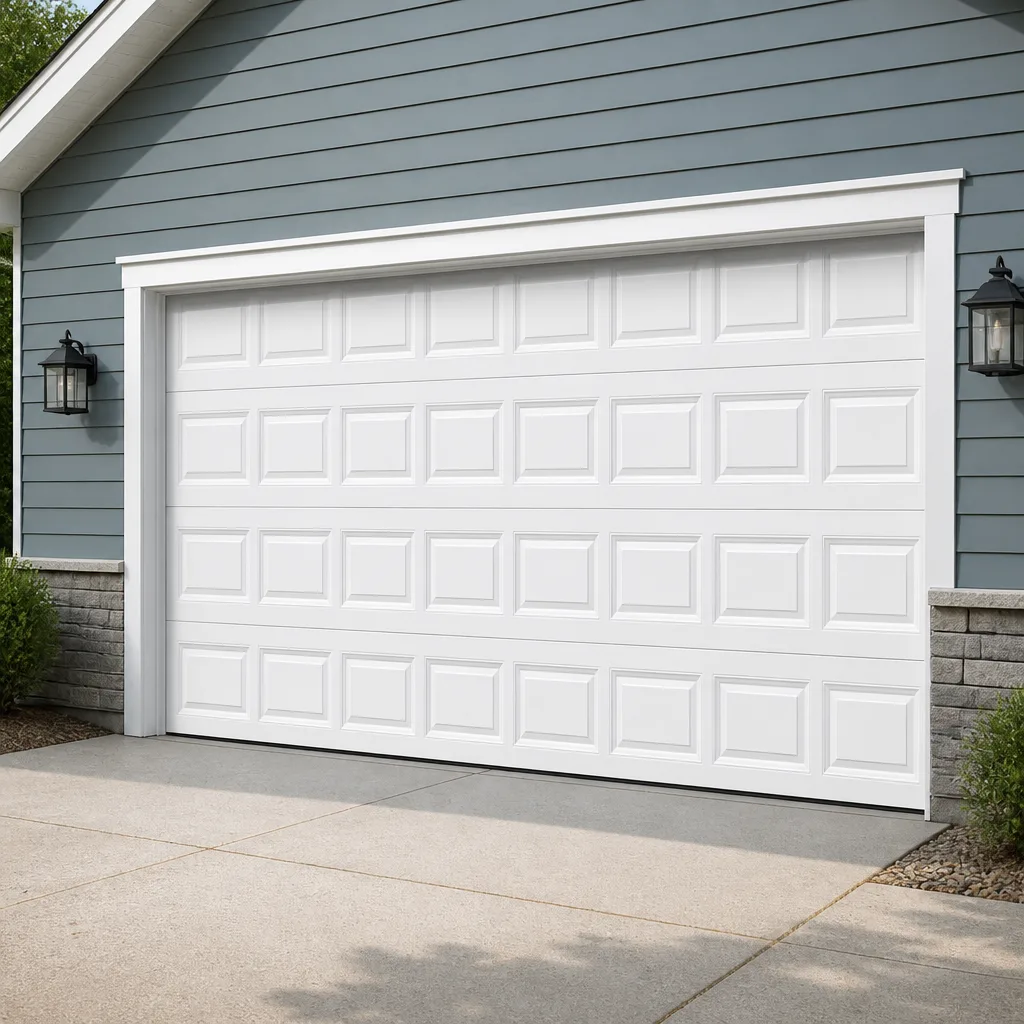 Raised-panel steel
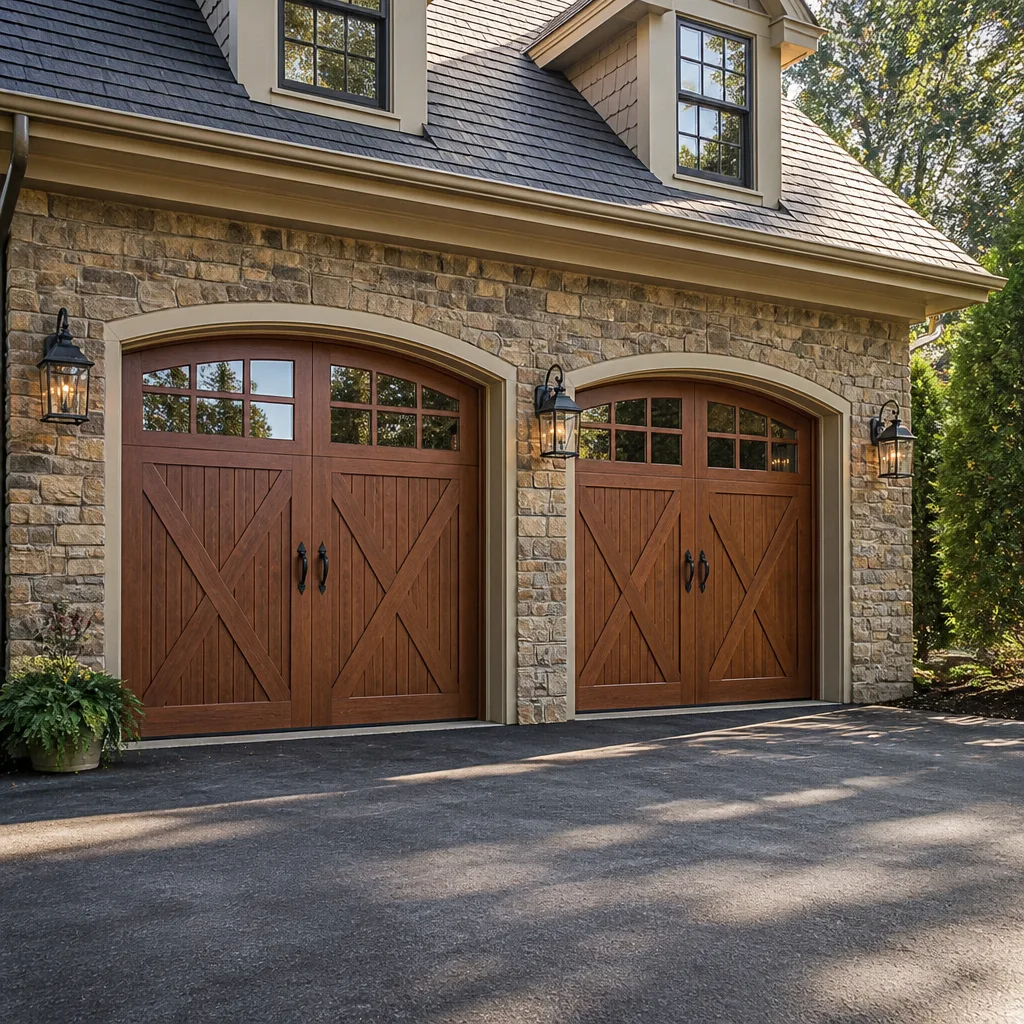 Carriage house
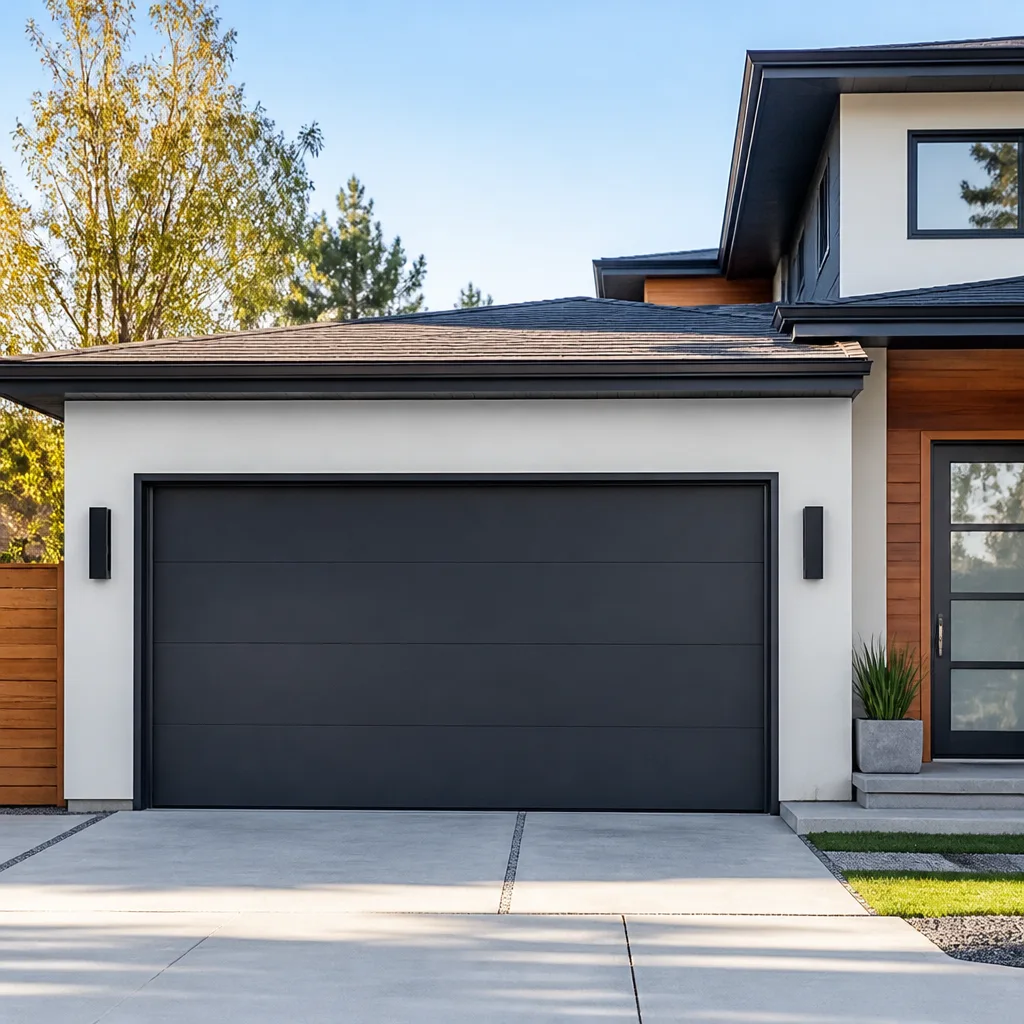 Modern flush
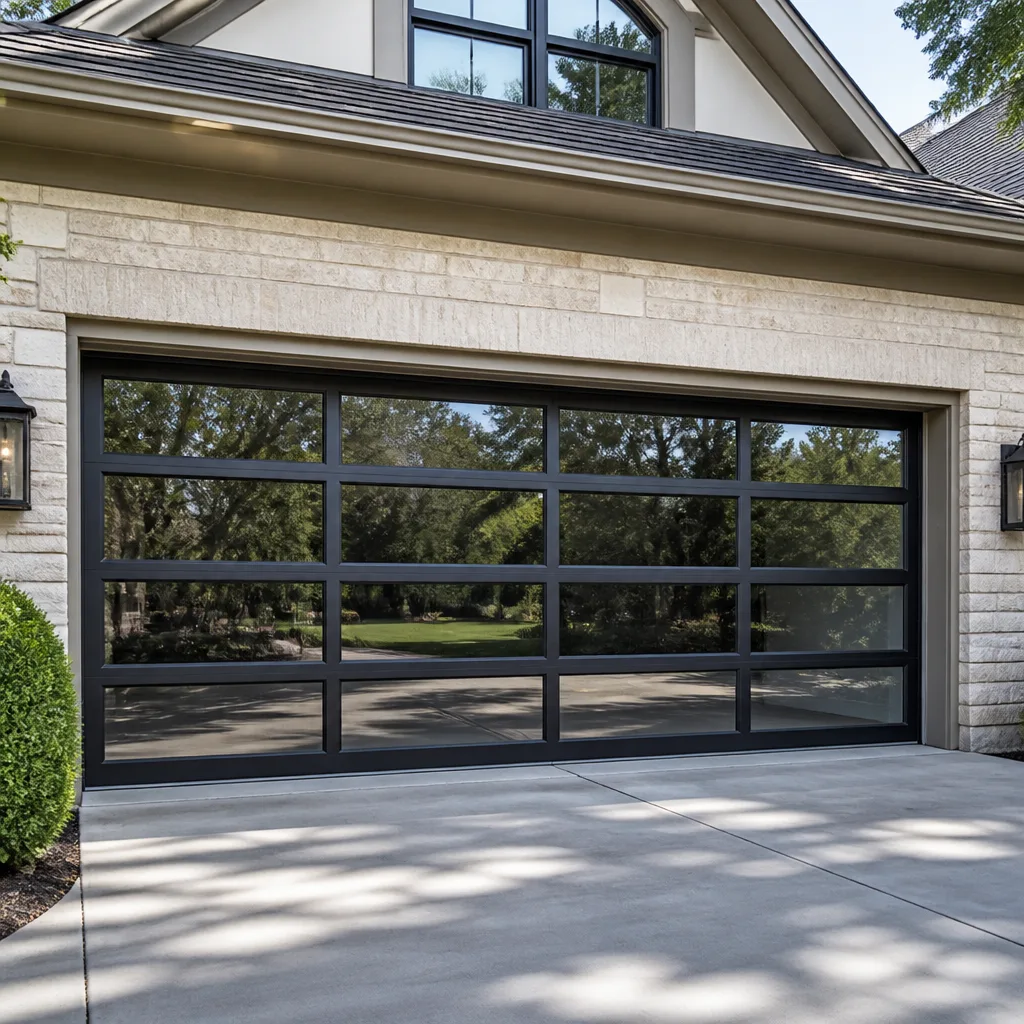 Full-view glass
 LiftMaster openers
 Chamberlain openers
Full 25-point door and opener safety check with every visit - springs, cables, rollers, tracks, and your LiftMaster or Chamberlain opener included
You get a price before we start. It does not change when the truck arrives.
Get your free estimateGarage Door Repair Troubleshooting in Compton: Common Problems and How to Fix Them
That garage door that “just stopped working” is almost never a mystery. In our experience across Compton, the opener light is usually blinking a fault code that got missed because nobody ever told the homeowner to look up at it. What looks like a dead door is often a clear signal pointing right at the failing part. This guide walks you through the five mechanical categories behind nearly every residential garage door problem, shows you how to read what your opener is telling you, and marks which fixes a homeowner can safely handle versus which ones need a trained specialist with the right tools.
Quick Answer
Most garage door problems in Compton fall into five categories: opener faults, safety sensor misalignment, spring or cable failure, track or roller binding, and panel or hardware damage. Start by checking the opener’s blinking light for a fault code, then check the sensor eyes near the floor, then look at the springs and cables. If the problem involves a wound torsion spring or a cable under tension, stop and call a specialist at (833) 593-3930. We answer 24/7. Fast dispatch from 7am to 7pm, Sunday through Friday.
Styles & brands we work with
- Raised-panel steel
- Carriage house
- Modern flush
- Full-view glass
- LiftMaster openers
- Chamberlain openers
Table of Contents
- How to Read Garage Door Opener Fault Codes
- Door Panel Problem or Opener Motor Problem: Why It Matters
- Why Your Door Reverses Immediately on Closing
- Springs and Cables: What You Can Check and What You Must Not Touch
- Track and Roller Binding: Symptoms and Fixes
- Panel and Hardware Damage: What’s Repairable and What’s Not
- How Compton Weather Affects Garage Door Components
How to Read Garage Door Opener Fault Codes
When a modern garage door opener detects a problem, it almost always tells you through a blinking light or a series of flashes. The opener light blinks a set number of times, pauses, then repeats. That sequence is a fault code, and it narrows the problem down before you’ve touched anything. On a Chamberlain opener, one flash typically points to a sensor wiring issue, while four flashes on a LiftMaster can indicate a RPM sensor fault in the motor. A Genie unit uses a similar pattern, often with a red LED on the powerhead. The exact meaning varies by model, so the switch that actually solves the problem is matching the blink count to a simple chart for your specific opener brand.
Here’s the practical approach we use when someone in Compton calls about a door that won’t move:
- Stand where you can see the opener’s light or LED and press the wall button or remote once.
- Count the blinks, including the pause pattern. Write down the number.
- Check whether the opener makes any noise at all: a hum, a click, or nothing.
- Consult the fault-code chart for your opener brand. LiftMaster and Chamberlain charts are similar but not identical; Genie differs.
- If the code points to a sensor or wiring issue, keep reading below. If it points to a motor or logic board fault, the opener needs garage door opener repair from a technician who works on that brand regularly.
One thing worth knowing: a door that does nothing when you press the remote, with no light blink at all, usually means the opener has no power. Check the outlet and any GFCI reset button before assuming the motor failed. In Compton, where older electrical panels are common, a tripped circuit is a frequent culprit that costs nothing to fix.
Door Panel Problem or Opener Motor Problem: Why It Matters
Figuring out whether the problem lives in the door itself or in the opener motor changes everything about how the repair goes, and who should do it. A door panel that’s out of balance or binding in its tracks will strain any opener attached to it, even a healthy one. A failing opener motor will struggle, grind, or stall on a door that moves perfectly by hand. You can separate the two in under a minute.
Pull the red emergency release cord hanging from the opener rail. That disconnects the door from the motor. Now try lifting the door manually, using both hands on the handle or bottom section. A properly balanced door should lift smoothly with moderate effort and stay open around chest height. If the door is heavy, drops down, or jerks sideways, the problem is in the door: springs, rollers, tracks, or cables. If the door moves easily by hand but the opener won’t move it, the problem is in the opener motor, the drive gear, or the logic board.
This distinction is the single most useful diagnostic step in garage door repair for Compton homes. It tells you whether you need opener work, door work, or both. We work on door systems and openers separately because they fail separately, and guessing wrong means paying for a fix that doesn’t fix anything. Garage doors are all we do, which means we do them right.
Why Your Door Reverses Immediately on Closing
A door that starts down, then reverses back up before touching the floor, is almost always a safety sensor issue. The two sensors sit on either side of the door opening, about six inches off the ground, each with a small LED. One sends an invisible beam to the other. If that beam gets blocked or knocked out of alignment, the opener refuses to close and reverses as a safety measure. It is not a spring problem in the vast majority of cases, and replacing springs will not fix it.
Here’s the 60-second check:
- Look at both sensor eyes. A steady LED on each side, usually green or amber depending on the brand, means they’re aligned and talking.
- If one LED is blinking or dark, the beam is broken. Wipe the lens with a dry cloth. Spider webs, dust, and even a leaf can block the beam.
- Check whether anything is stored against the wall near either sensor, bumping it out of position. A broom, a bucket, or a box is a common culprit.
- If the sensors look clean and aimed, check the wire at each sensor. A loose staple or a wire pulled from the back can kill the signal.
- If both LEDs are steady but the door still reverses, the sensors may be misaligned just enough to break the beam at one specific point in the door’s travel. Loosen the wing nut on one sensor and tilt it slightly, one direction at a time, until both LEDs hold steady.
This same reversal happens on Chamberlain, Genie, and LiftMaster openers right across Compton. When it does not resolve with the 60-second check, the issue moves past sensors into the opener’s force settings or limit switches, and that’s a garage door opener repair call rather than a homeowner adjustment.
Springs and Cables: What You Can Check and What You Must Not Touch
Garage door springs carry the door’s entire weight. A torsion spring above the door, or two extension springs alongside the upper tracks, are wound under high tension. They do the lifting, not the opener. When a spring breaks, it usually sounds like a gunshot from inside the garage. The door becomes extremely heavy, the opener may stall or strain, and the cables can go slack. This is a repair that carries genuine injury risk, and it’s the one place in this guide where we say clearly: do not attempt a spring repair yourself.
What you can check safely:
- Look at the torsion spring above the closed door. If you see a gap in the coil, it has snapped.
- Check the extension springs on each side. A broken one hangs limp or shows a visible split.
- Look at the cables running down each side. A frayed cable or one that’s come off its drum means the door cannot be operated until it’s repaired.
What you must not touch: a wound torsion spring, a cable under tension, or any bracket that holds them. The stored energy in a wound spring can release in an instant and cause severe injury. This is not a caution we offer lightly. In our experience as a single-trade specialist serving Compton, a spring replacement goes quickly and safely in experienced hands, but it is not a DIY job. If you see a broken spring or a slack cable, leave the door closed or locked and call (833) 593-3930. We answer 24/7. Fast dispatch from 7am to 7pm, Sunday through Friday. The written estimate sets the price before any work starts.
Track and Roller Binding: Symptoms and Fixes
Garage door tracks guide the rollers that let the door travel up and down. When a track is bent, loose, or crusted with debris, the door tells you in specific ways: it jerks, makes a grinding sound, slows down at one point in the travel, or gets stuck halfway. Roller binding is often mistaken for a motor problem because the opener works but the door fights it.
Here’s how to spot and handle track and roller issues safely:
- With the door closed, visually check each vertical and horizontal track for dents, gaps at the mounting bolts, or obvious misalignment.
- Test each roller by spinning it. A roller with a flat spot or seized bearing will drag instead of roll. Nylon rollers with ball bearings outlast metal ones and run quieter.
- Check the gap where the roller wheel meets the track. A wider gap at one point means the track is bent outward or inward there.
- Tighten any loose track bolts. Most track brackets use a 7/16-inch or 1/2-inch socket depending on the brand.
- Clean the inside of the tracks with a dry rag. Do not grease the tracks themselves; grease attracts dirt and makes things worse. A light lubricant belongs on the roller bearings and hinges, never inside the track channel.
Metal tracks on Amarr and Clopay doors in Compton tend to collect a fine gritty dust that works like sandpaper on moving parts. That dust comes from the dry air and open-soil yards common in the area, and it accelerates roller wear. If the door is binding because a track is bent or the rollers are worn out, a garage door repair technician can correct the track and replace the rollers on the same visit. Doors we service here run smoother after that because the fix addresses the actual friction point rather than masking it with opener force adjustments.
Panel and Hardware Damage: What’s Repairable and What’s Not
The bottom panel of a garage door takes the most abuse. It sits near the ground, gets bumped by cars, kids’ bikes, and yard tools, and collects moisture whenever the driveway drains toward the door. Panel damage breaks into three categories, and the fix depends on which one you’re looking at.
A cosmetic dent, where the metal is creased but the panel’s structure is intact, is usually not worth replacing. It does not affect operation and most Compton homeowners leave it unless it’s prominent. A cracked or split panel, especially on the bottom section, is a different story. The door loses rigidity, the weather seal no longer seats properly, and that section can eventually pull away from the hinges. A panel with an actual tear or hole will only worsen, and in many cases the right fix is a new bottom section or a full door replacement depending on the door’s age and brand.
Hardware failures are simpler. Loose hinges, worn rollers, and bent struts are straightforward parts swaps. What surprises people is that a bent strut or a loose hinge problem on an older door often points toward Garage Door Service Compton for a full assessment rather than a patch job. When the door’s structural frame is weakening in multiple spots, replacing parts one at a time costs more over time than a new door installed correctly. We work on Clopay, Amarr, Chamberlain, and Genie systems every day, and we know exactly what to look for before recommending repair versus replacement.
How Compton Weather Affects Garage Door Components
Compton’s climate does specific things to garage door hardware, and it helps to know what those are before diagnosing a problem. The air here carries more moisture than inland communities, which means bare metal parts, hinges, cables, and uncoated springs, oxidize faster than they would in the desert. Temperature swings between cool mornings and warm afternoons cause metal to expand and contract, and that cycle gradually works fasteners loose. A door that seems to run fine one month and starts making a dry scraping sound the next is often showing the result of that slow loosening.
The practical effects are these: hinge screws back out more often in Compton than they do inland. Extension springs and cables show surface rust sooner. Track brackets need periodic tightening. The moisture also affects opener logic boards indirectly, not by soaking them but by accelerating corrosion on the low-voltage wiring connectors at the sensors and wall button. We see more corroded sensor terminals here than in drier parts of the region, and that’s why sensor problems turn up so often in the troubleshooting process.
Routine attention, called preventive maintenance, changes the failure timeline. Tightening track bolts annually, lubricating roller bearings and hinges, checking sensor wires for green oxidation, and testing the door’s balance by hand once or twice a year all reduce surprise failures. For the balance test, use the red release cord as described earlier. If the door feels heavy or won’t hold position, spring tension is dropping, and getting it corrected early avoids a broken spring down the road. A professional garage door repair in Compton can handle that adjustment safely with the right winding bars and torque.
Common Mistakes to Avoid
- Adjusting opener force before finding the real problem. If a door is binding from a bad roller or a bent track, bumping up the force setting pushes the door through the friction instead of fixing it. That shortens the opener’s life and risks damaging the door.
- Lubricating the track channel itself. Grease on the track picks up Compton’s fine dust and turns into grinding paste. You want a dry track and lubricant only on the roller bearings and hinge points.
- Ignoring a blinking opener light. That blink pattern is a fault code that could tell you the exact issue in seconds. Many people reset the opener and lose the code they needed.
- Replacing the opener when the door is out of balance. A heavy, unbalanced door will wear out any new opener prematurely. The door balance question comes first, then the opener decision.
- Attempting a torsion spring replacement with improvised tools. The spring is wound under high tension and the correct winding bars are not optional. This is the one repair where a wrong move can cause a serious injury.
- Measuring a broken spring by eye and guessing the replacement. Springs are sized by wire gauge, inside diameter, and length. The wrong spring either won’t balance the door or overpowered it. This isn’t a part you want a generalist to guess at.
- Ignoring a roller that’s ceased to spin. A seized roller drags against the track and slowly widens the track gap until the door can jump the track. Replacing a roller is cheap. Replacing a twisted track is not.
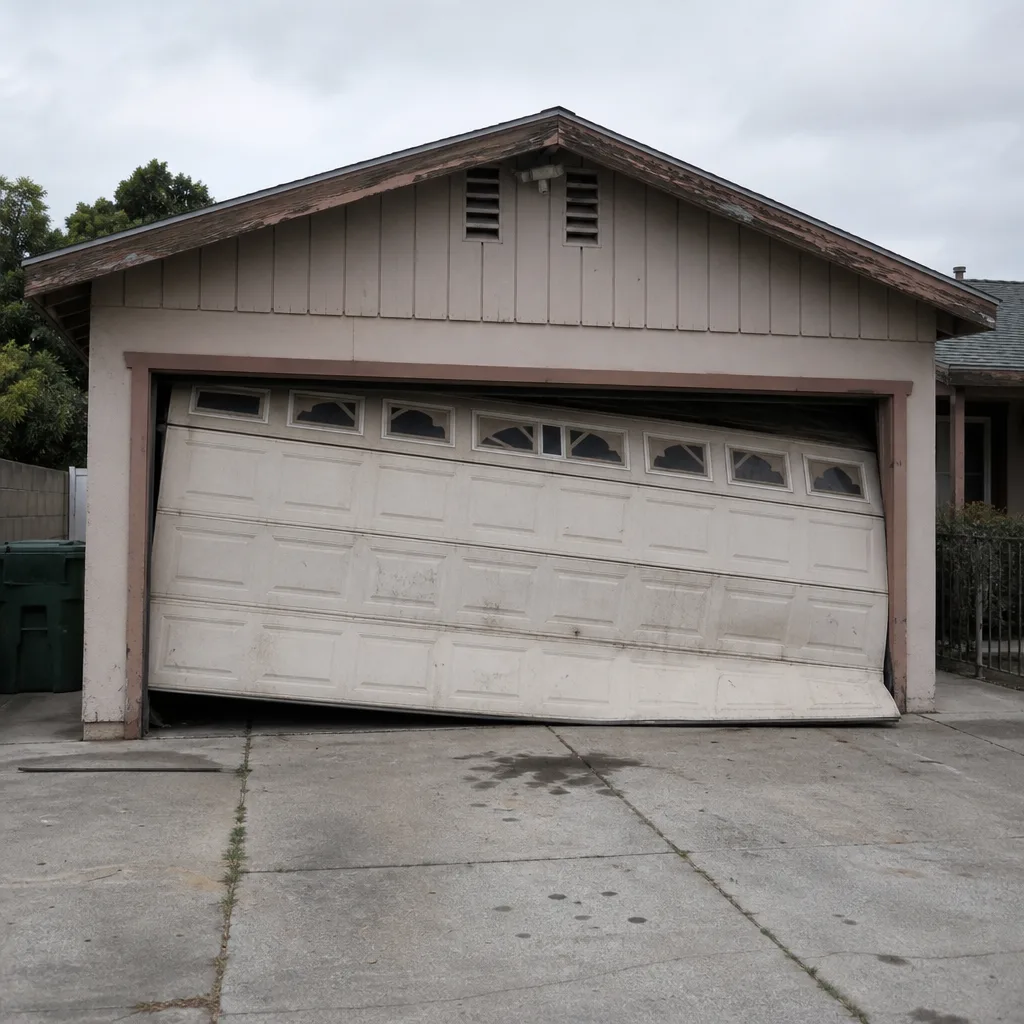
See the difference
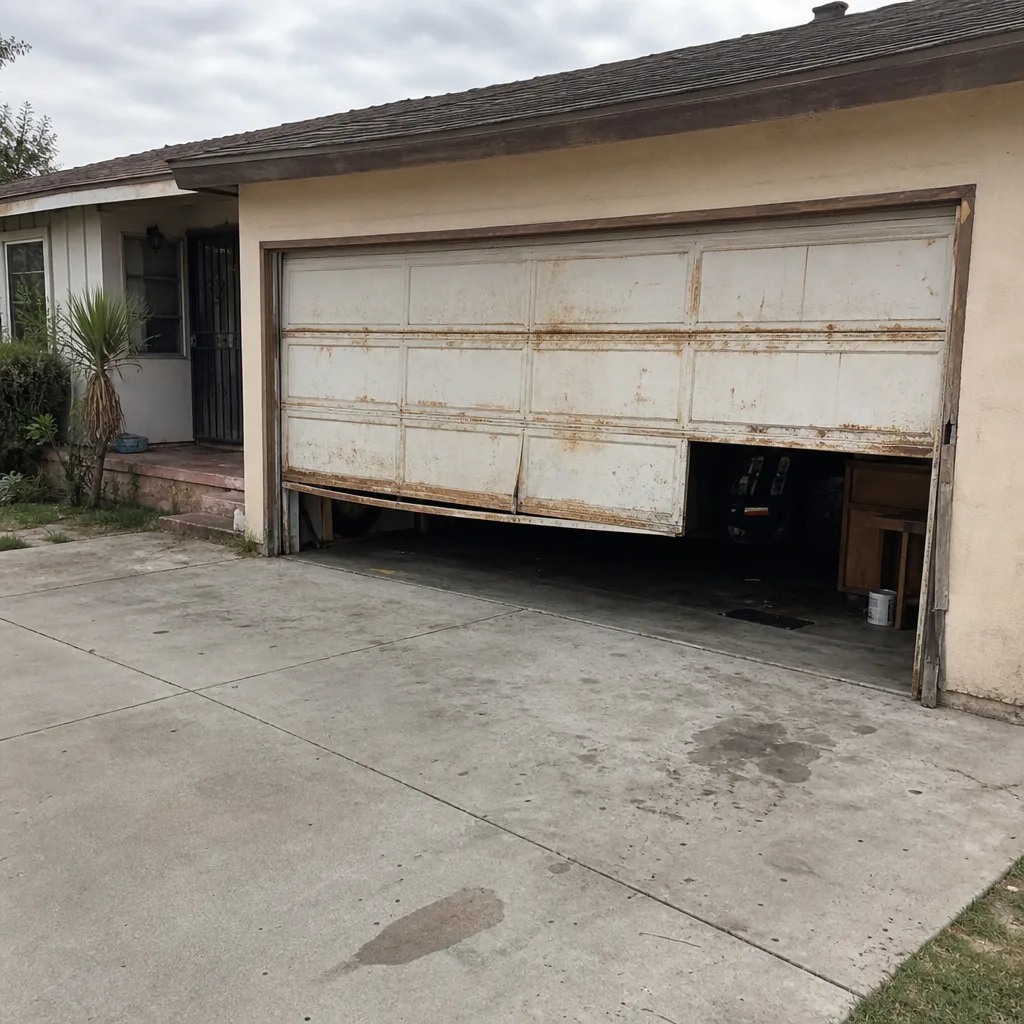 Before
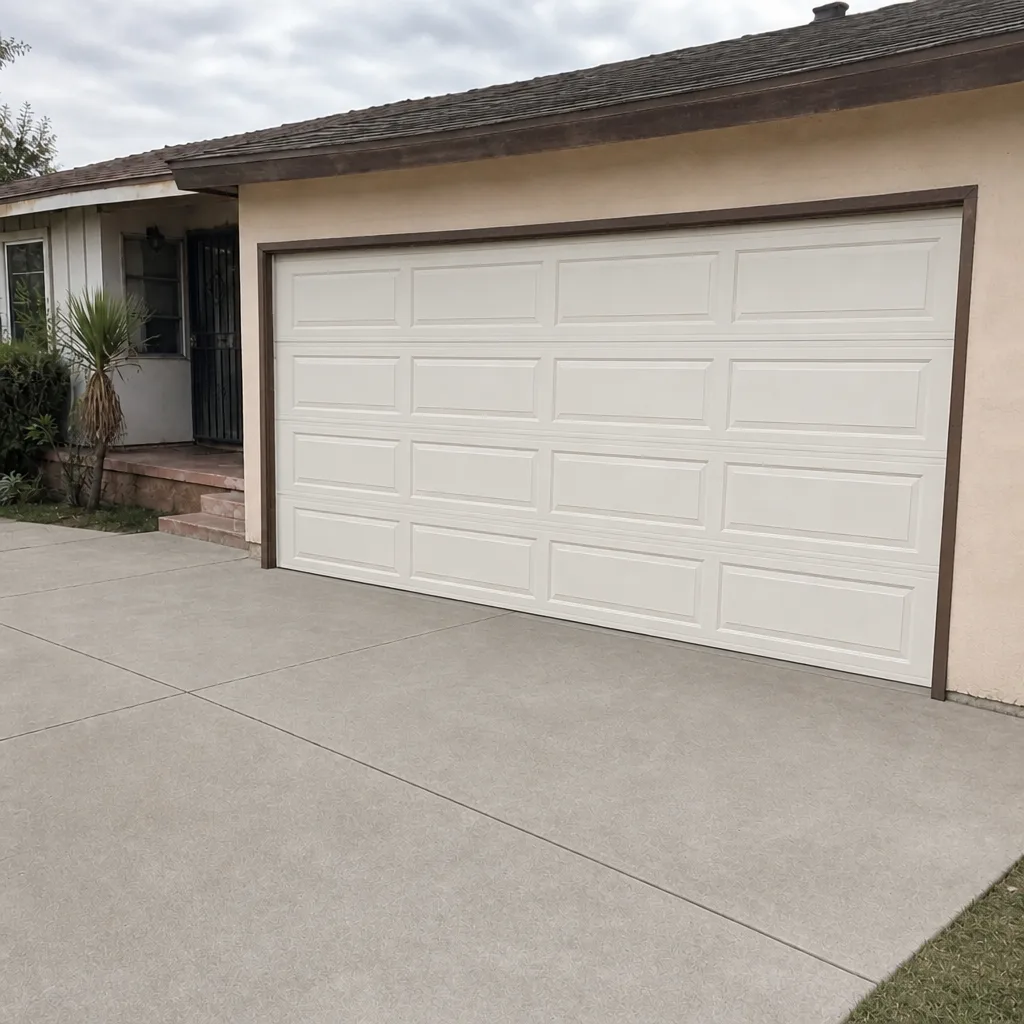 After
 Before
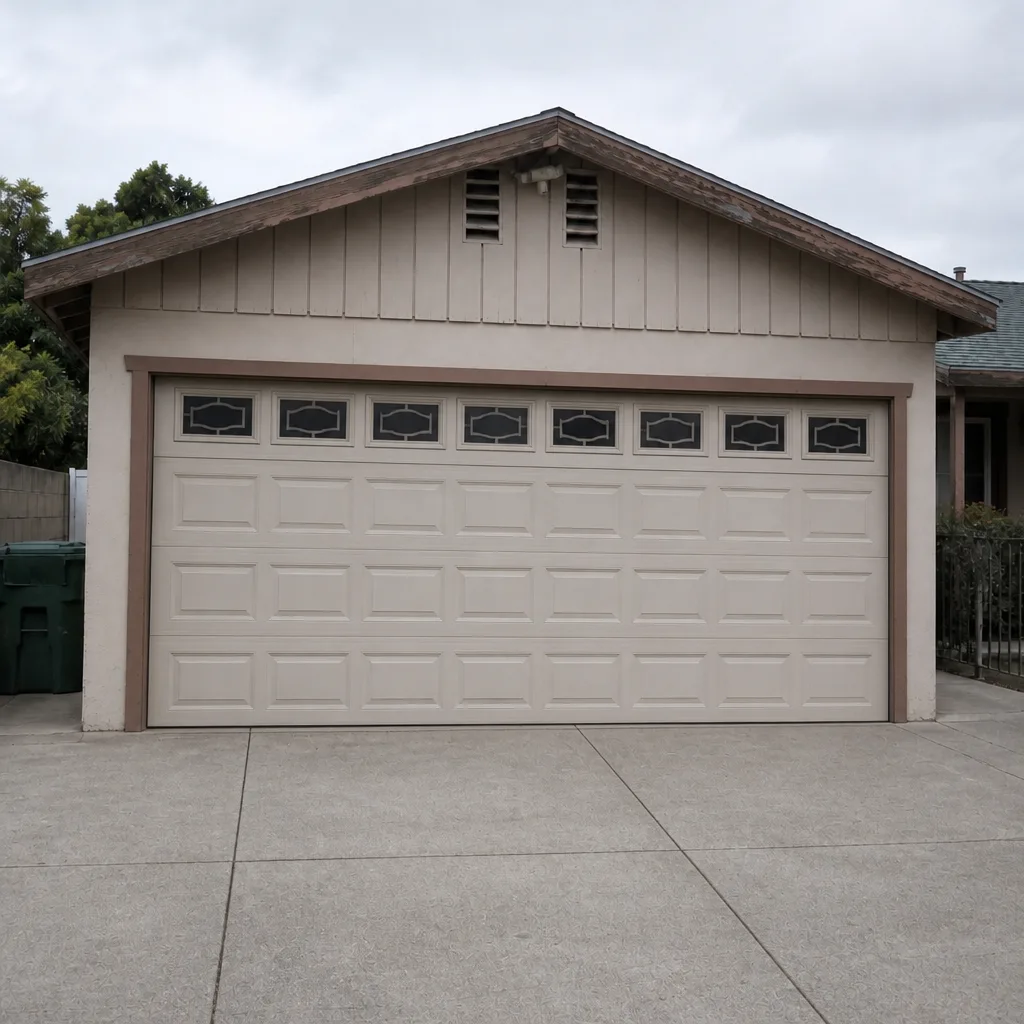 After
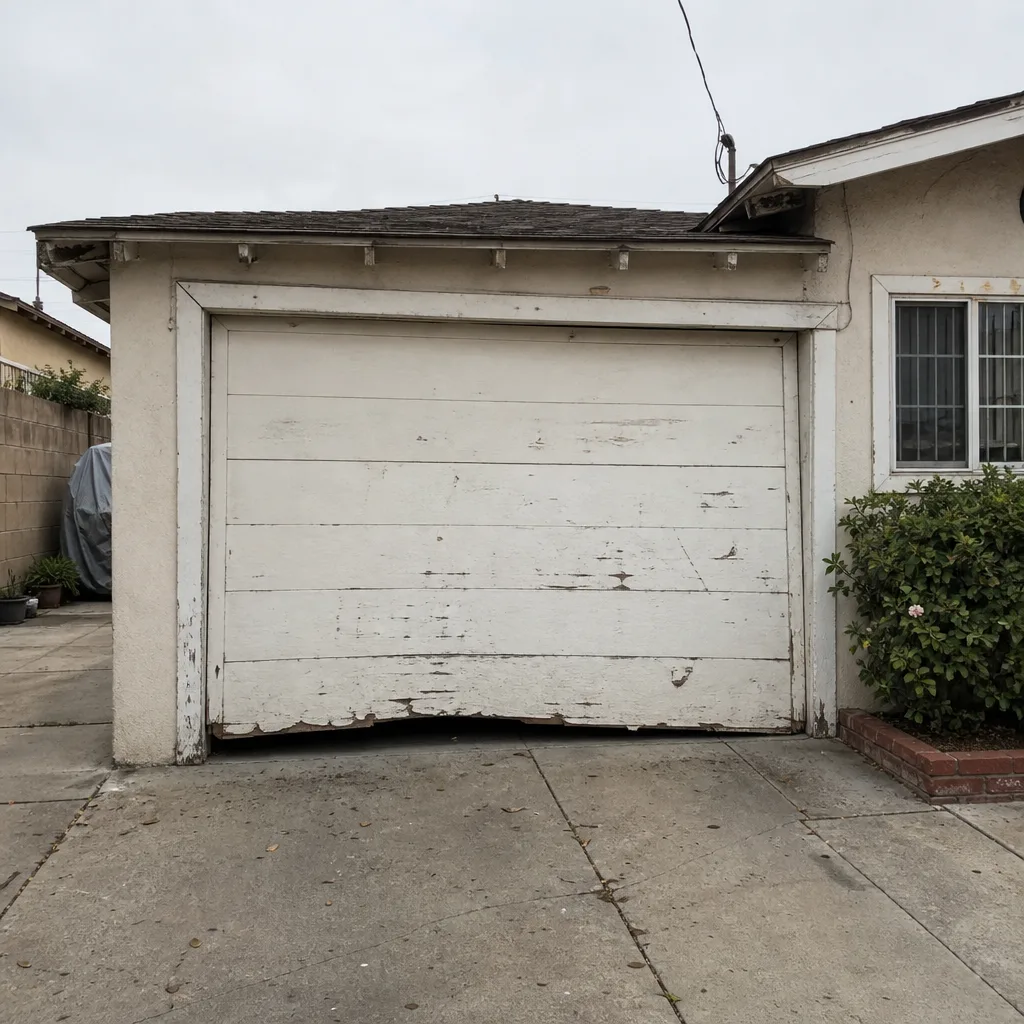 Before
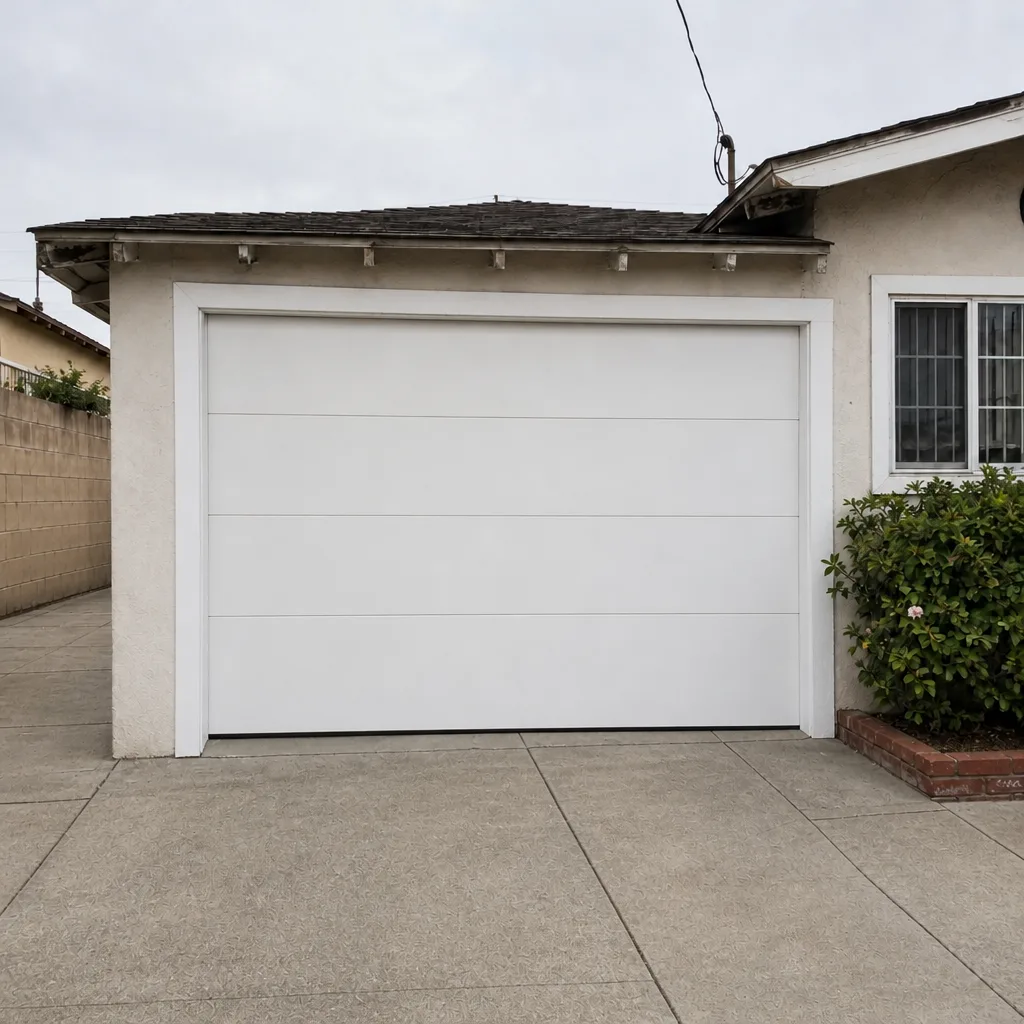 After
When to Call a Professional
Call a garage door specialist when the problem involves a broken or suspect spring, a cable off its drum, a door that’s come off its tracks, or a damaged bottom panel that affects the door’s structure. Also call when the opener’s fault code points to a motor or logic board issue, or when your door fails the balance test by hand. These are not diagnosis-by-phone situations; they need someone on-site who works on doors every day and knows the brands. We are factory-familiar with LiftMaster, Chamberlain, Genie, Clopay, Amarr, Wayne Dalton, Craftsman, and Raynor systems, which means the technician who arrives knows how the system is supposed to behave. Garage Door Service Compton offers free estimates in Compton. Call (833) 593-3930 and the written estimate sets the price, quoted and agreed before any work begins.
Frequently Asked Questions
Spring replacement pricing depends on the spring type, size, and whether you replace one spring or the matched pair, which is the standard practice. We quote a written estimate after seeing the door, and the final price matches that estimate before any work starts. Call (833) 593-3930 for an exact quote. Estimates are free.
We answer 24/7 and dispatch technicians fast from 7am to 7pm, Sunday through Friday. Same-day service is available when a truck is open. Call (833) 593-3930 and tell us what the door is doing. We’ll get a specialist on-site, not a generalist with a search engine.
A door that opens but will not close is usually a safety sensor problem: a blocked or misaligned photo eye near the floor, or a wire that’s come loose. Check the sensor LEDs first. If both are steady and the door still won’t close, the opener’s force or limit settings may need attention.
No. The price is quoted in writing before any work begins, and you approve it before we start. If we find something additional during the job, we stop and quote that separately before doing it. Nothing is added to your final invoice that wasn’t agreed first.
Our trucks are stocked for most common failures across the brands we service, including LiftMaster, Chamberlain, Genie, Clopay, Amarr, Wayne Dalton, Craftsman, and Raynor. From springs and cables to opener gears and sensors, the goal is to complete the repair on the first visit whenever possible.
It depends on the door’s age, brand, and condition. A bottom panel with a crack or tear on a door with otherwise solid hardware can often be replaced. When multiple sections are failing or the door is aging, a full replacement from a brand like Clopay or Amarr may save money over repeated panel jobs. We walk through both options after seeing the door.
The Bottom Line
Garage door problems in Compton give you more information than you think. The opener blinks a fault code. The sensors show a steady or blinking light. The balance test reveals whether the door or the opener is at fault. Learning to read those signals means you know what’s wrong before anyone arrives, and you won’t pay for a repair that doesn’t match the real problem. Some fixes, like sensor alignment and loose hardware, are homeowner territory. Others, especially springs and cables under tension, are not. Garage doors are all we do, since 2012, which means repair calls in Compton go to people who work on these systems every day. Call (833) 593-3930 for a free estimate. We answer 24/7. Fast dispatch from 7am to 7pm, Sunday through Friday.
Written by the team at Garage Door Service Compton, serving Compton since 2012.