
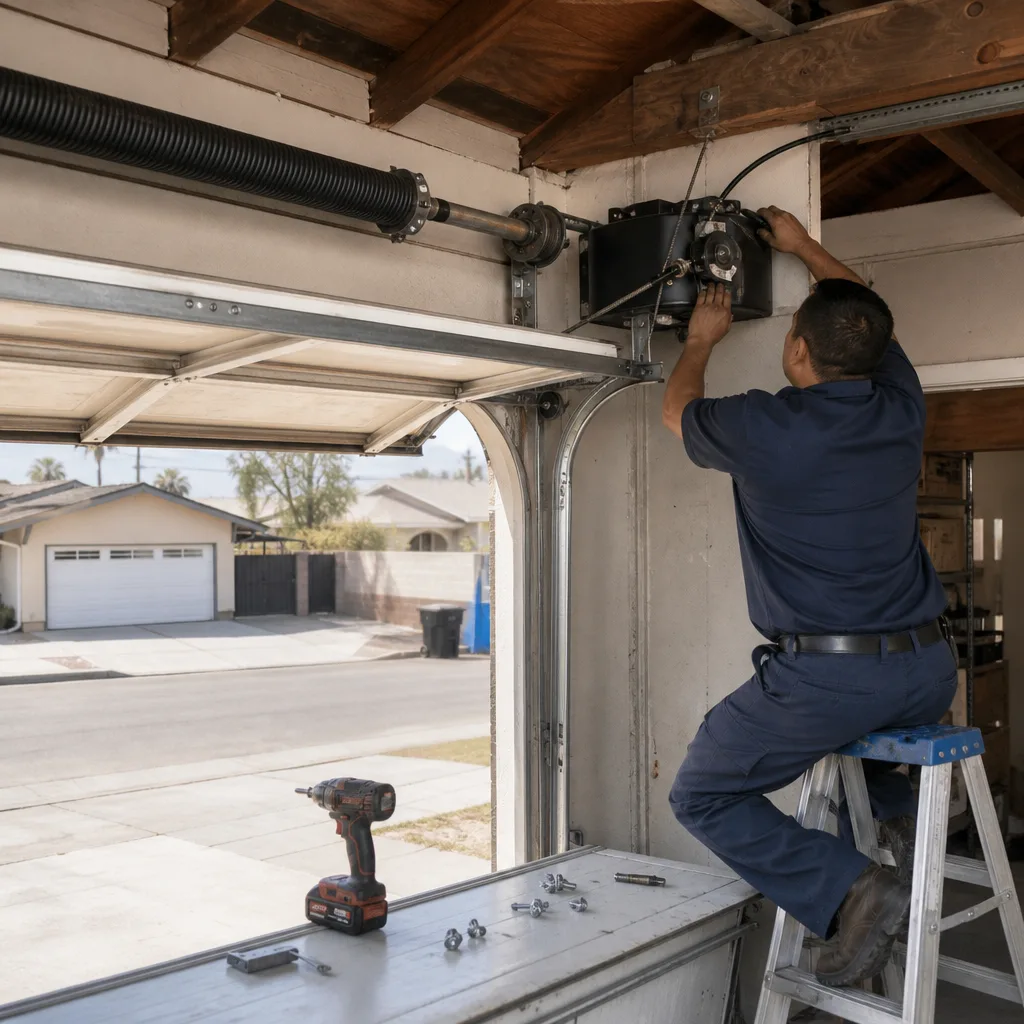
Last updated November 4, 2026
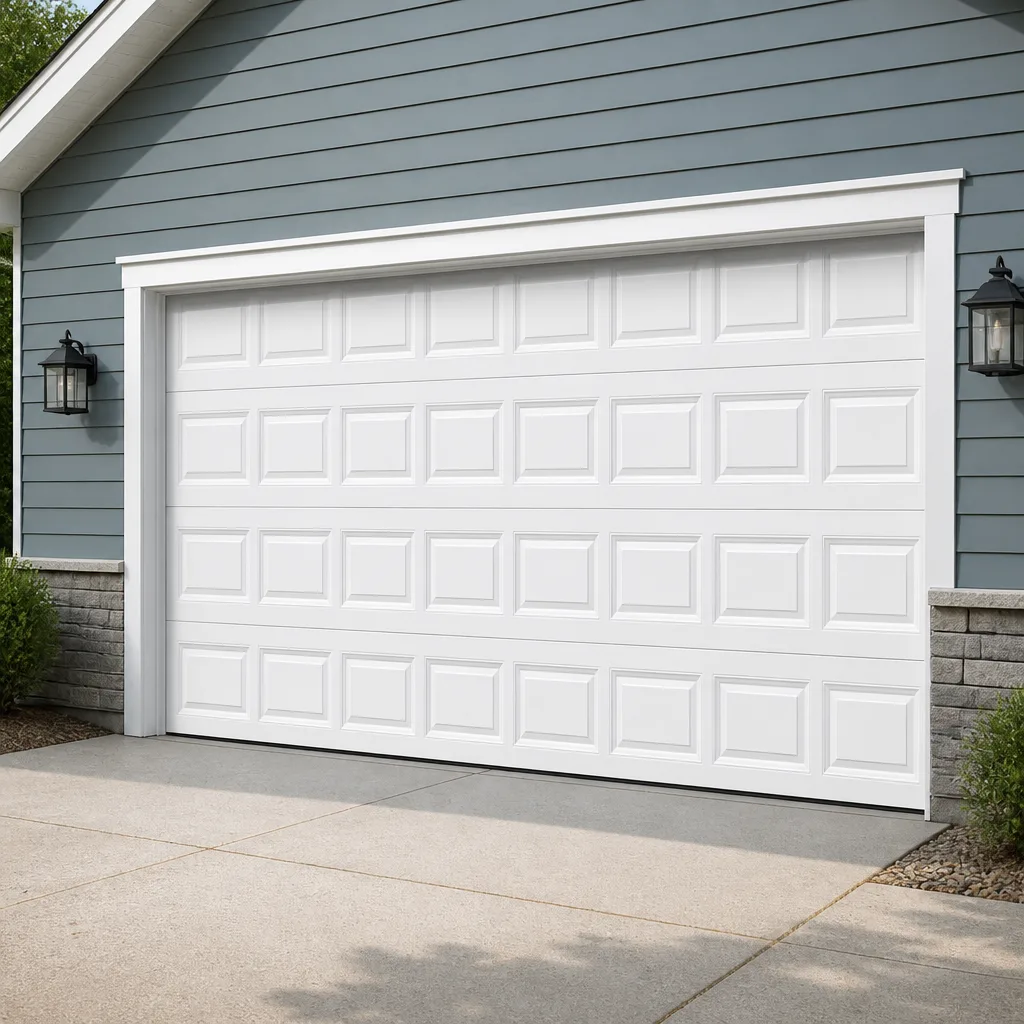 Raised-panel steel
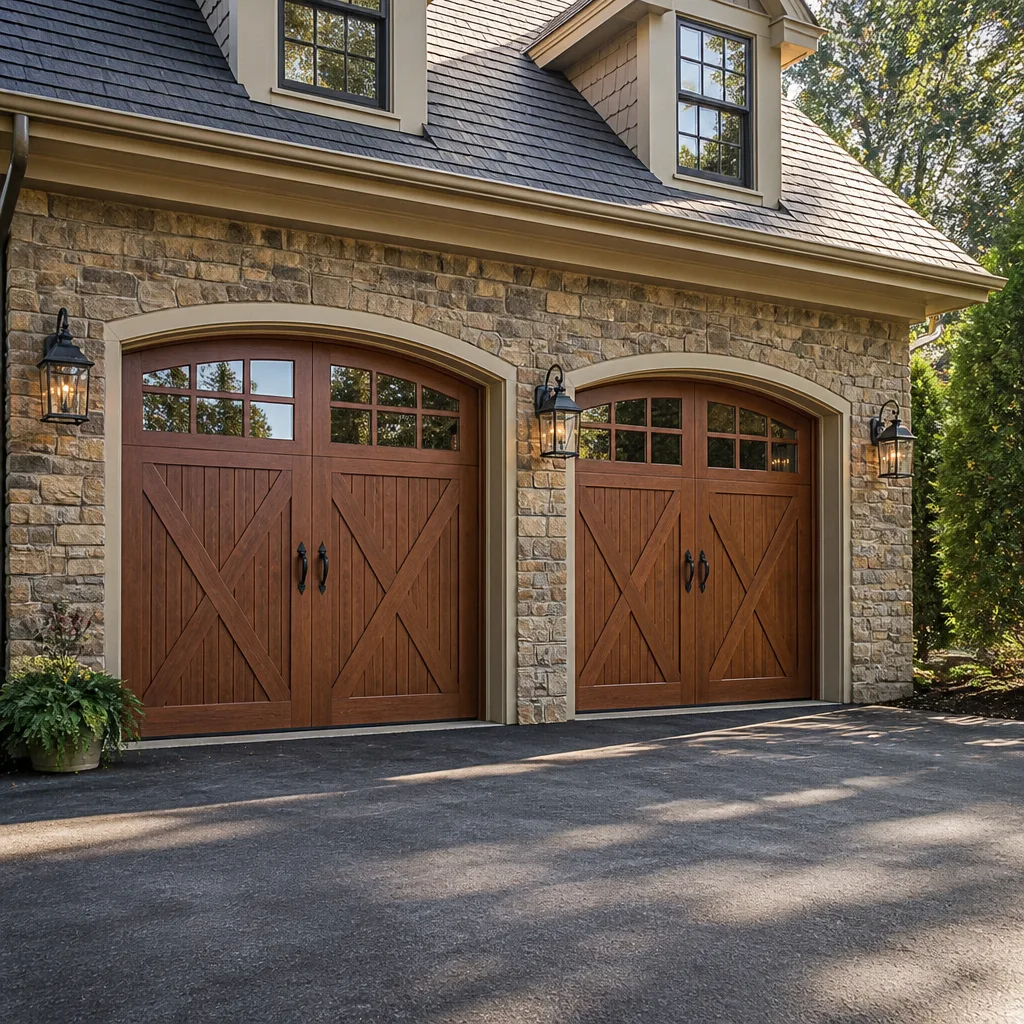 Carriage house
 Modern flush
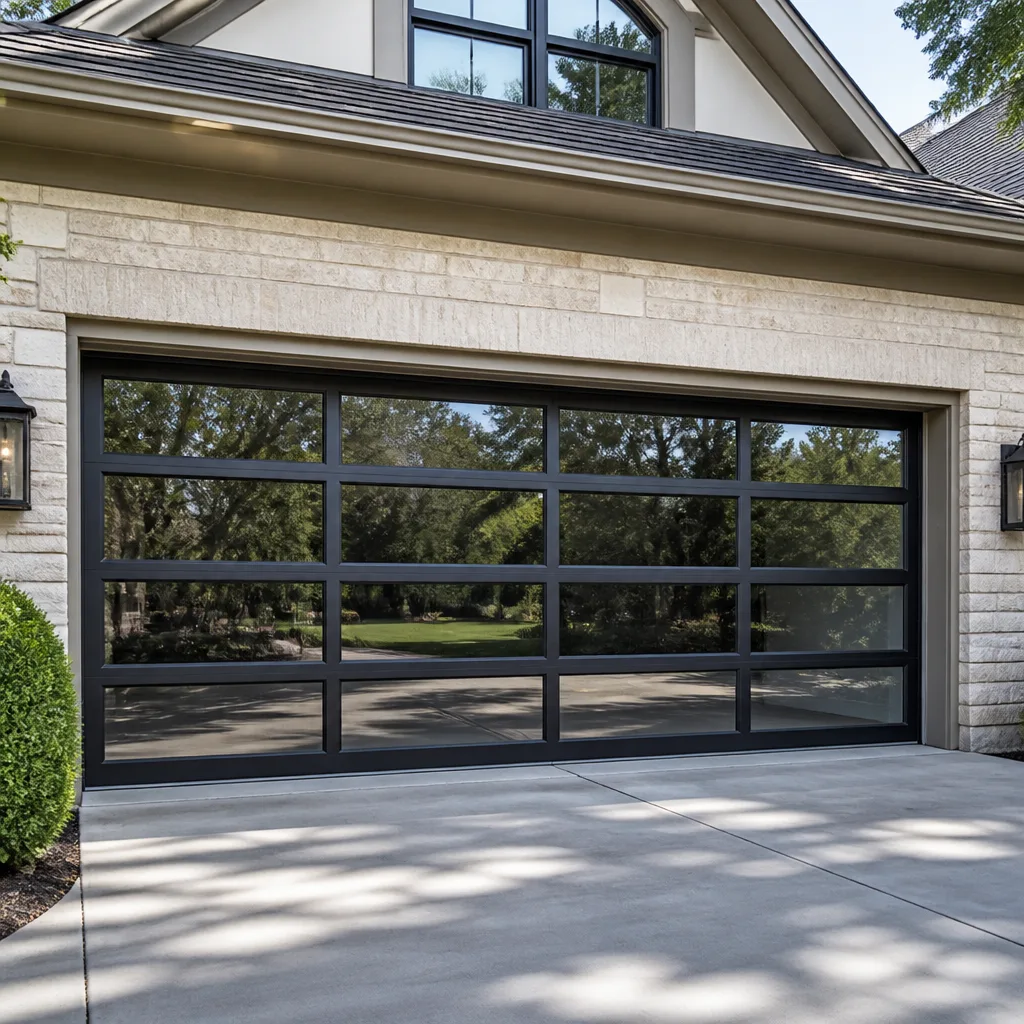 Full-view glass
 LiftMaster openers
 Chamberlain openers
Full 25-point door and opener safety check with every visit - springs, cables, rollers, tracks, and your LiftMaster or Chamberlain opener included
You get a price before we start. It does not change when the truck arrives.
Get your free estimateDIY vs Professional Garage Door: The Compton Homeowner’s Decision Guide
Most garage door advice on the internet makes the DIY-versus-pro decision sound like a lifestyle choice. It isn’t. The honest answer depends on one mechanical reality: torsion springs store enough force to fracture a hand or crack a skull. That’s physics, not a scare tactic. In a city like Compton, where garages see daily use and single-family homes range from mid-century builds to newer construction, that distinction matters even more because a door that suddenly stops working can leave a car trapped or a house exposed. This guide draws a clear line between what a careful homeowner can safely handle, what’s possible with the right tools, and what should never be attempted without training. We’ll cover the real cost comparison, how to tell good advice from dangerous advice online, and when calling a specialist is the only sane option. Here’s how to think through it for your specific door.
Quick Answer
For most Compton homeowners, the safe DIY tasks are sensor alignment, lubrication, and remote reprogramming. Anything involving the torsion spring, cables under tension, or track realignment is work for a professional. The cost of getting a tensioned-system repair wrong isn’t measured in dollars but in hospital visits, and a pro handles those jobs with the right training, tools, and respect for the mechanics involved.
Styles & brands we work with
- Raised-panel steel
- Carriage house
- Modern flush
- Full-view glass
- LiftMaster openers
- Chamberlain openers
Table of Contents
- Safe DIY Tasks for a Careful Homeowner
- DIY-Possible Tasks That Most Homeowners Shouldn’t Attempt
- Hard Line: Never Attempt These Yourself
- The Real Cost Comparison: Parts, Labor, and the Cost of Getting It Wrong
- How to Tell If a YouTube Tutorial Is Responsible
- What Compton Homeowners Should Know About Climate and Code
- Common Mistakes to Avoid
- When to Call a Professional
Safe DIY Tasks for a Careful Homeowner
Some garage door tasks are genuinely low-risk and don’t require specialized equipment. If you’re a Compton homeowner who wants to handle small issues yourself, here’s what we consider safe territory. None of these involve springs under tension, and none require you to remove hardware that supports the door’s weight.
- Sensor alignment: Photo eye sensors near the bottom of the door track sometimes get bumped out of position by bikes, trash cans, or a car parked too far forward. If your door reverses when closing, check that both sensors face each other and their indicator lights are on. Loosening the wing nut, adjusting the angle, and tightening it again is a five-minute fix that most homeowners can do safely.
- Lubrication: Metal rollers, hinges, and the opener chain or belt benefit from lubrication a few times a year. Use a lithium-based or silicone spray lubricant, never WD-40, which is a cleaner that attracts grime. The Compton climate isn’t harsh, but our dry, dusty air can build up residue on moving parts faster than homeowners expect. Wipe first, then apply a light coat.
- Roller replacement on extension spring systems: This is the key qualifier. If your door uses extension springs that run along the horizontal track on either side, and you block the door securely in the open position with clamps or locking pliers beneath both rollers, you can carefully remove and replace a worn roller. On a torsion spring system, leave this alone, because the spring holds the load even when the door is resting. We’ll explain why that matters below.
- Remote reprogramming: If your opener remote stopped working after a power surge or a battery change, reprogramming it usually takes minutes. Most LiftMaster and Chamberlain openers use a learn button on the motor unit, and the process is covered in the owner’s manual. This requires no mechanical work and no exposure to tensioned parts.
These tasks are safe because they don’t involve the spring system, the cables, or the door’s structural connection to the house. A careful homeowner with basic hand tools can handle them without opening up a dangerous failure mode. Anything beyond this list starts to cross into territory where the risk rises quickly.
DIY-Possible Tasks That Most Homeowners Shouldn’t Attempt
There’s a middle category that separates the genuinely safe tasks from the outright dangerous ones. These jobs are possible for a homeowner with the right tools and enough patience, but they require knowledge and equipment most people don’t have lying around. We’ve seen plenty of Compton garages where a well-intentioned person started one of these and had to call us to finish it correctly.
- Cable replacement: Cables run from the drum at the top of the torsion shaft down to the bottom bracket on each side of the door. If a cable snaps, replacing it seems straightforward, but the cable tension is directly connected to whatever load the springs are holding. In many cases, you can’t safely detach a cable without first relieving spring tension, and that requires winding bars and a clear understanding of spring mechanics. Get it wrong and the shaft can spin violently. This is not a job for a crescent wrench and a YouTube video.
- Track adjustment: If a door binds partway through its travel, the issue is likely a track that’s out of alignment or has come loose from its brackets. Adjusting tracks involves working close to the roller path while the door is partially suspended, and a door that’s under spring tension can shift unexpectedly if you loosen the wrong bolt. It’s also easy to make the door bind worse, which puts extra strain on the opener and the panels.
- Opener drive gear swap: On many Chamberlain and Genie openers, the plastic drive gear wears down over time and strips. The replacement part is inexpensive, but the process involves disassembling the motor housing, realigning the sprocket, and recalibrating the force settings and travel limits once it’s back together. If you reassemble the unit with the wrong force setting, the door can become a hazard and refuse to reverse when it should.
None of these are impossible for a determined DIYer. What they share is a failure mode that isn’t obvious until it happens, and in the case of cables and tracks, the failure can be sudden and dangerous. The realistic question isn’t whether you can do it, but whether the risk of doing it wrong is worth the money saved. For most homeowners, it isn’t.
Hard Line: Never Attempt These Yourself
Some garage door work belongs in the same mental category as working on a live electrical panel or a gas line. The danger isn’t theoretical, and the tools that make the job safe are specific to the trade. In our experience serving Compton, this is the line that separates a responsible DIY decision from a hospital trip.
- Torsion spring winding and replacement: A torsion spring sits on a shaft above the door and stores enormous tension even when the door is closed. Winding or unwinding it requires two dedicated steel winding bars, the correct spring size and wire gauge, and a precise count of quarter-turns during installation. If a winding bar slips out of the cone while the spring is under tension, that bar becomes a projectile. This is the single most dangerous repair in residential garage door work, and it causes serious injuries every year. There is no safe shortcut and no acceptable improvisation.
- Working on a broken spring under tension: When a spring breaks, it rarely releases all its tension, especially on two-spring systems. The remaining spring still holds a substantial portion of the door’s weight, and the broken spring’s cone can be cracked or unstable. Attempting to move, clamp, or remove a broken spring without releasing that stored energy first is asking for a sudden failure. We refuse to let homeowners stand near this work, let alone attempt it.
- Structural header repair: The header above the door opening carries the weight of the door through the track system and the spring assembly. If the header is cracked, sagging, or pulling away from the frame, the door can drop without warning, taking the track and spring shaft with it. This is structural carpentry work that must be done before the door is re-serviced, and it’s outside the scope of garage door repair. We recommend a licensed contractor for the header, and then a specialist to reassemble the door properly.
The common thread here is stored energy. Torsion springs don’t look dangerous when the door is sitting still, which is exactly why people underestimate them. A standard residential door weighs between 150 and 400 pounds, and the spring system is holding that load continuously. Respect that, and the decision becomes easy: don’t touch it.
The Real Cost Comparison: Parts, Labor, and the Cost of Getting It Wrong
The standard DIY-versus-pro comparison looks at parts cost versus labor cost: a replacement part might cost $25 online, while a service call runs higher. That’s a misleading way to think about it. The real comparison has to include what happens when a repair goes wrong, and for tensioned systems, that cost can be measured in urgent care visits, damaged property, and a professional callback to fix the original attempt.
Here’s what a more honest breakdown looks like for a typical Compton home:
- Parts only: Sensors, lubricant, and remotes are the cheap side. You’ll spend $15 to $60 at most on the safe DIY items. But a torsion spring isn’t bought as a generic replacement, because the spring must match the door’s weight, height, and track configuration. Order the wrong one and you’ve paid for a part that won’t fit.
- Tools: Winding bars cost $30 to $50 for a proper set. Specialty sockets, cable pullers, and lock-out pliers add more. If you’re buying tools for a one-time job, you haven’t saved the money you think you have.
- Mistake costs: A door that’s reassembled incorrectly may appear to work for a few cycles, then bind, snap a cable, or damage a panel. A misaligned track can burn out an opener motor. A botched spring winding can damage the shaft, the drums, and the door itself, which becomes a much larger repair than the original spring replacement.
- Medical costs: This is the one nobody budgets for. A torsion spring injury is not a scrape or a bruise. It’s a broken bone, a laceration, or worse. An ER visit in the Los Angeles area without insurance can run into the thousands of dollars, and that’s before you account for missed work and the door that’s still broken.
- Professional callback: We regularly repair doors where a homeowner started a job and couldn’t finish it. The work is now more expensive because the door is disassembled, partially under tension, or damaged from incorrect assembly. The second repair costs more than the first one would have if it had been done right from the start.
The rational way to think about this is risk-adjusted cost. On the safe DIY tasks, you save real money with very little risk. On the middle category, you save less than you think once tools and potential damage are accounted for. On anything involving springs, cables under tension, or structural repair, the expected cost of DIY is higher than hiring a professional, because the chance of a bad outcome is significant and the cost of that outcome is severe. The written estimate you get from a specialist sets the price before any work starts, so there’s no surprise invoice at the end.
How to Tell If a YouTube Tutorial Is Responsible
Not all DIY advice is created equal, and some of what passes for garage door instruction online is genuinely dangerous. A video with a confident presenter and a lot of views isn’t the same thing as safe instruction. Before you follow any tutorial that involves the spring system, cables, or track work, here’s what to look for.
- Does it explain the danger first? A responsible video on torsion springs starts by telling you why this job can kill you and what specific safety equipment is required. A video that glosses over the risk or calls it simple is not one to trust. The absence of a clear safety warning is a red flag, not a convenience.
- Does it use the right tools or improvised substitutes? Proper winding bars are solid steel rods sized to fit the spring cone. If the presenter uses screwdrivers, rebar, or anything other than purpose-built winding bars, close the video. You cannot safely wind a spring with improvised tools, and anyone who tries is demonstrating that they don’t understand the forces involved.
- Does it show blocking and support? On any job where the door is raised, a responsible tutorial shows clamps or locking pliers under the bottom rollers, and it explains why the door shouldn’t be able to drift down. If the presenter works on a raised door with no blocking, they’re teaching bad habits that lead to crushed fingers.
- Does it mention measuring the spring? A real torsion spring replacement starts with measuring the wire gauge, inside diameter, and length of the old spring. If a video tells you to order a spring by door size or rough guess, it’s skipping the part that determines whether your new spring balances the door at all.
- Does it acknowledge what it doesn’t know? The best DIY content is specific about its limits. A presenter who says “if your setup looks different from this, stop and call a professional” is behaving responsibly. A presenter who claims one method works on every door is not.
The pattern here is simple: good advice respects the mechanism and the risk. Bad advice projects false confidence. If a video makes garage door work look easy, it’s usually because the person making it got lucky or edited out the hard parts. Neither is a guarantee that you will get lucky too.
What Compton Homeowners Should Know About Climate and Code
Compton’s climate isn’t extreme in the way that affects some parts of the country. We don’t deal with freeze-thaw cycles or snow load, which means our doors don’t face the same seasonal expansion and contraction issues that northern garages do. But we do get dry heat and fine dust, and that has its own effect on garage hardware. Dust collects on rollers, tracks, and opener gears, turning lubricant into a grinding paste over time. That’s why a lubrication schedule matters more in our climate than in a wet coastal climate, and why our team sees more worn drive gears on openers in Compton than on the same models in other parts of the county.
Permits and code are a separate matter. If you’re replacing a garage door in Compton, the city’s building department is the right place to ask about permit requirements for your specific project. Most cities require a permit for structural changes and sometimes for door replacement, especially if the opening is being modified. Don’t rely on a forum answer or a neighbor’s experience. The rules vary by project scope, and the city office can give you a direct answer. What code compliance means for garage doors includes things like proper spring containment cables, sensor reversal requirements, and wind load standards, and a professional installer addresses these as part of the job rather than as an afterthought.
We work on doors across the full range of what’s installed in Compton homes, from older mid-century builds where the overhead door has been through several openers to newer construction with smart-home-ready LiftMaster and Chamberlain systems. The brand on your opener hasn’t changed much over the years, but a Clopay or Amarr door installed decades ago can have very different hardware than what’s on the market now, and that matters when you’re deciding what to attempt yourself.
Common Mistakes to Avoid
- Treating all springs the same: Extension springs and torsion springs are fundamentally different systems. Extension springs run above the horizontal track and stretch to support the door. Torsion springs sit on a shaft above the door and twist under tension. A procedure that’s safe for one can be deadly on the other. Know your system before touching anything.
- Using WD-40 as a lubricant: WD-40 is a penetrant and water displacer. It attracts dust and degrades the lubrication that’s already there. Use a dedicated garage door lubricant on rollers, hinges, and the opener chain or belt. Your door will run noticeably quieter and the parts will stay cleaner longer in Compton’s dust.
- Assuming the door is supported when it’s not: A door that’s open to the halfway point is not “just sitting there.” On torsion systems, the spring is holding the weight every inch of the way, which means the door can move with force if the spring, cable, or hardware fails. Block it securely or close it before working.
- Ordering parts by guesswork: A torsion spring is not a one-size-fits-all part, and a cable that’s an inch too short won’t work. If you order before measuring correctly, you’ve spent money on a paperweight. Professionals measure wire gauge, inside diameter, and length before ordering anything, and that precision exists for a reason.
- Ignoring a noisy door until it breaks: A grinding sound on an opener is often the drive gear wearing out. A squeal from the rollers can indicate a failing bearing. In Compton’s dry, dusty air, these sounds progress faster than you’d expect, and a $50 part replaced early can prevent a $300 motor failure later.
- Following a tutorial that makes it look easy: The most dangerous DIY advice online is the kind that skips the safety warnings and shows a spring replacement in a five-minute video. If there’s no blocking, no warning, and no measurement step, you’re watching someone who got lucky, not someone who knows the trade.
- Calling a generalist for specialist work: Garage doors are their own trade, with their own tools, parts, and failure modes. We work on LiftMaster, Chamberlain, Genie, Clopay, Amarr, Wayne Dalton, Craftsman, and Raynor systems every day. A generalist with a pickup truck can’t carry the depth of parts and diagnostics that a specialist brings. Garage Door Service Compton exists specifically because this work rewards focus, and a botched repair from someone who doesn’t specialize often costs more than the original problem.
When to Call a Professional
Call a professional when the repair involves the spring, the cables, the track, or anything connected to the door’s structural support. That’s the short version. The longer version is that any time the door is binding, unbalanced, making a sound it didn’t make before, or refusing to stay where you left it, there’s a mechanical reason for that behavior, and finding the reason requires understanding the system as a whole. If you’re in Compton and you’re unsure whether a job is safe to attempt, the safest answer is to call us and ask. We’re happy to explain what’s involved and give you an honest read on whether it’s worth doing yourself. For full garage door repair, we send a specialist who is trained and experienced on eight leading residential brands, including LiftMaster, Chamberlain, Genie, Clopay, Amarr, Wayne Dalton, Craftsman, and Raynor. For garage door opener repair, we diagnose the issue before buying parts, which saves you from paying for a part you didn’t need. Estimates are free, and the price is set before any work begins. Call Garage Door Service Compton at (833) 593-3930. We answer 24/7. Fast dispatch from 7am to 7pm, Sunday through Friday.
See the difference
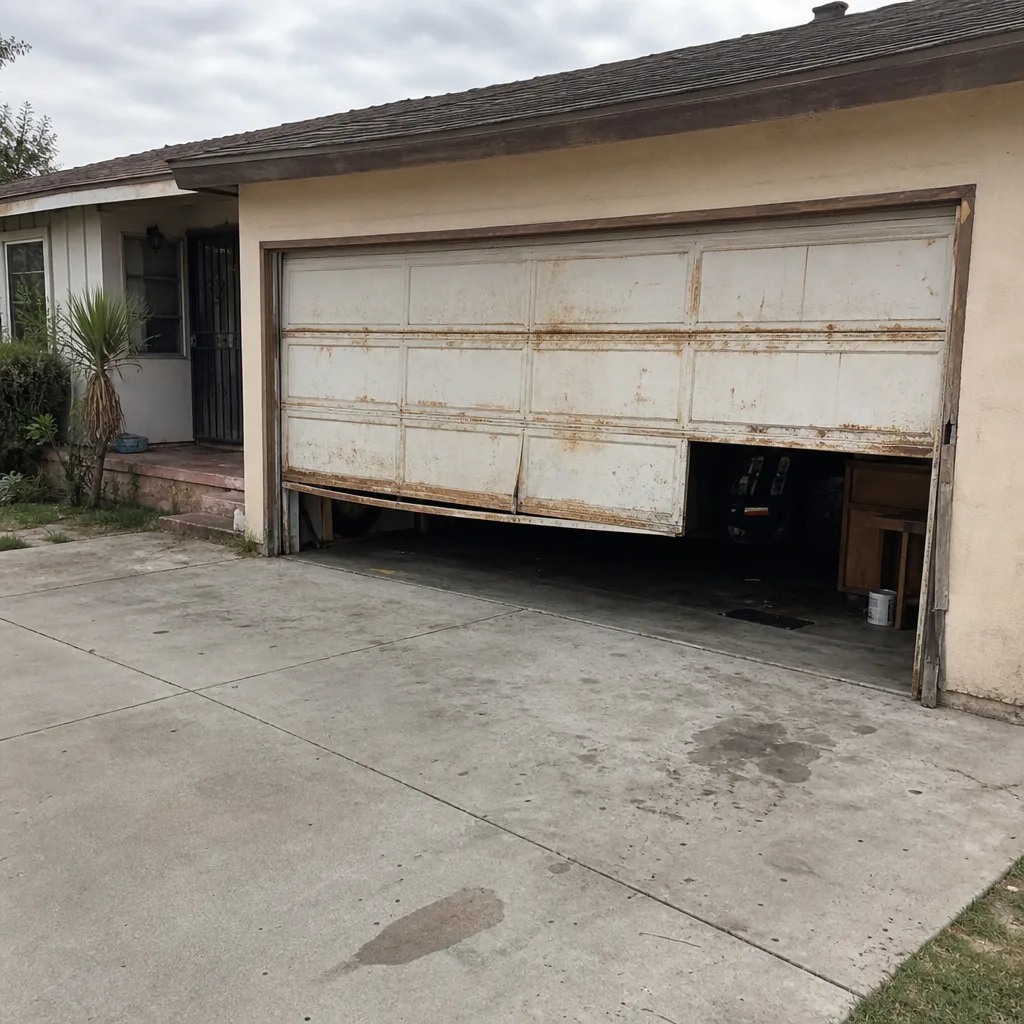 Before
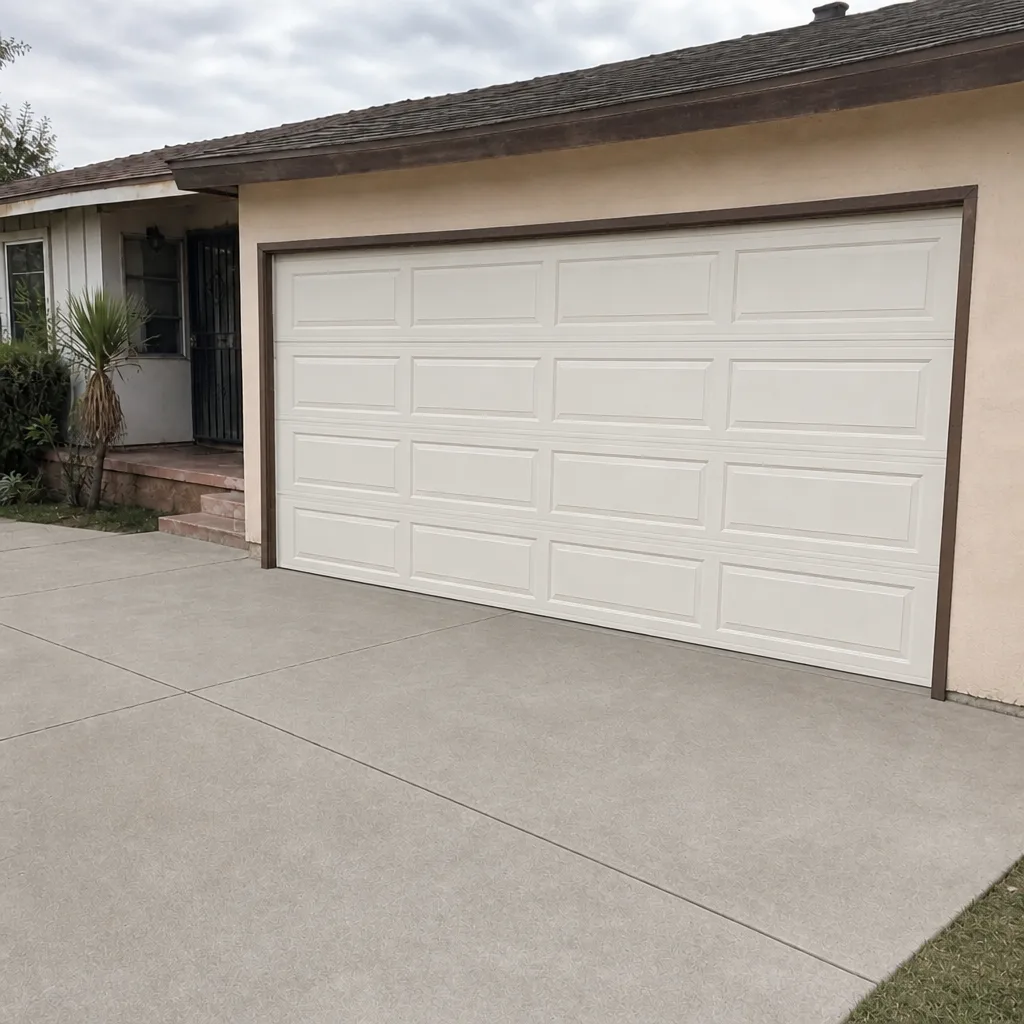 After
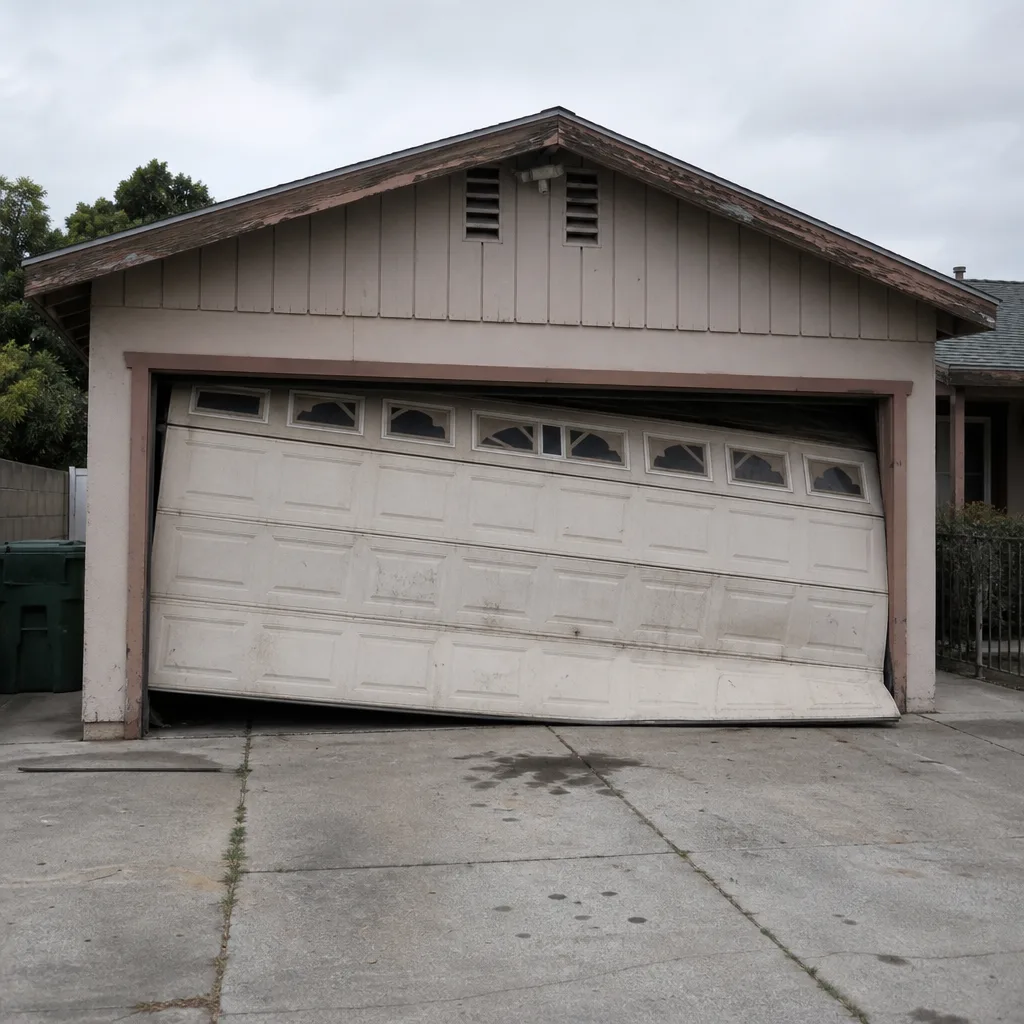 Before
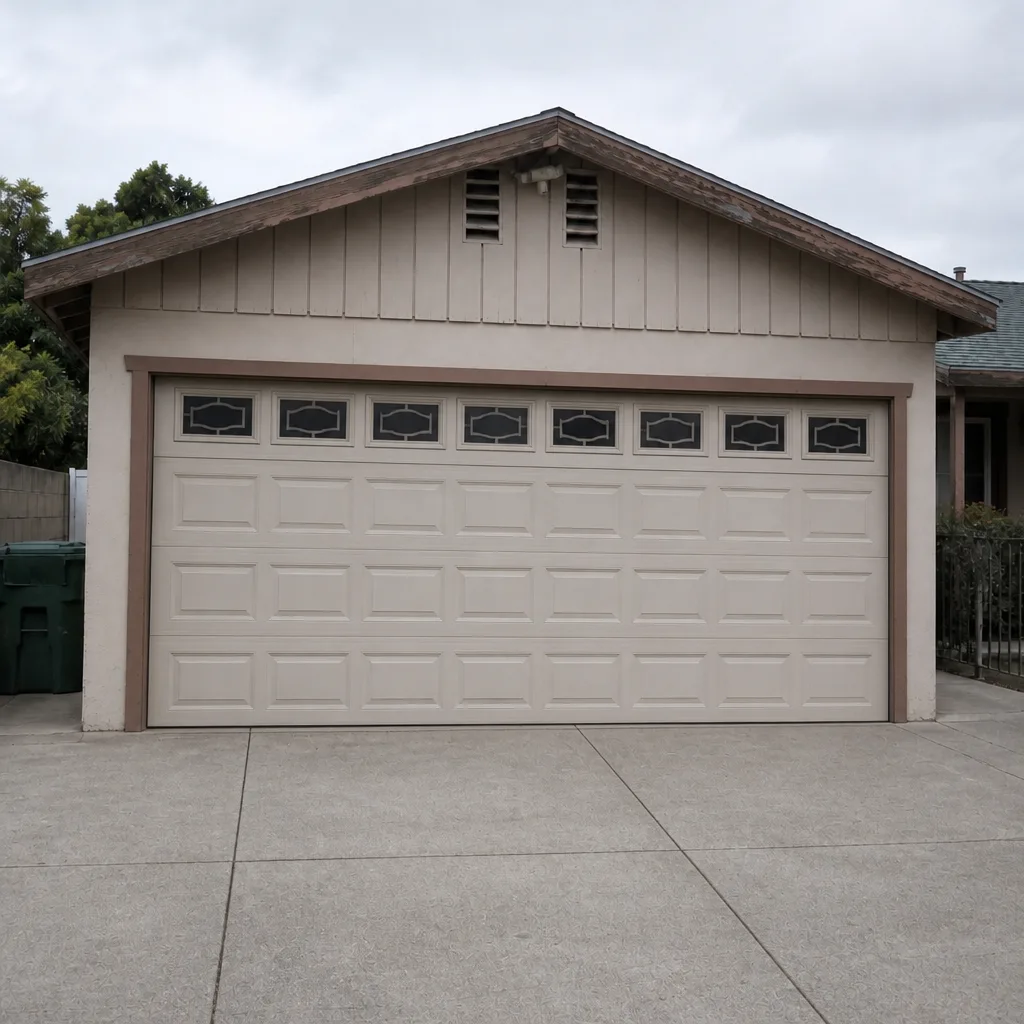 After
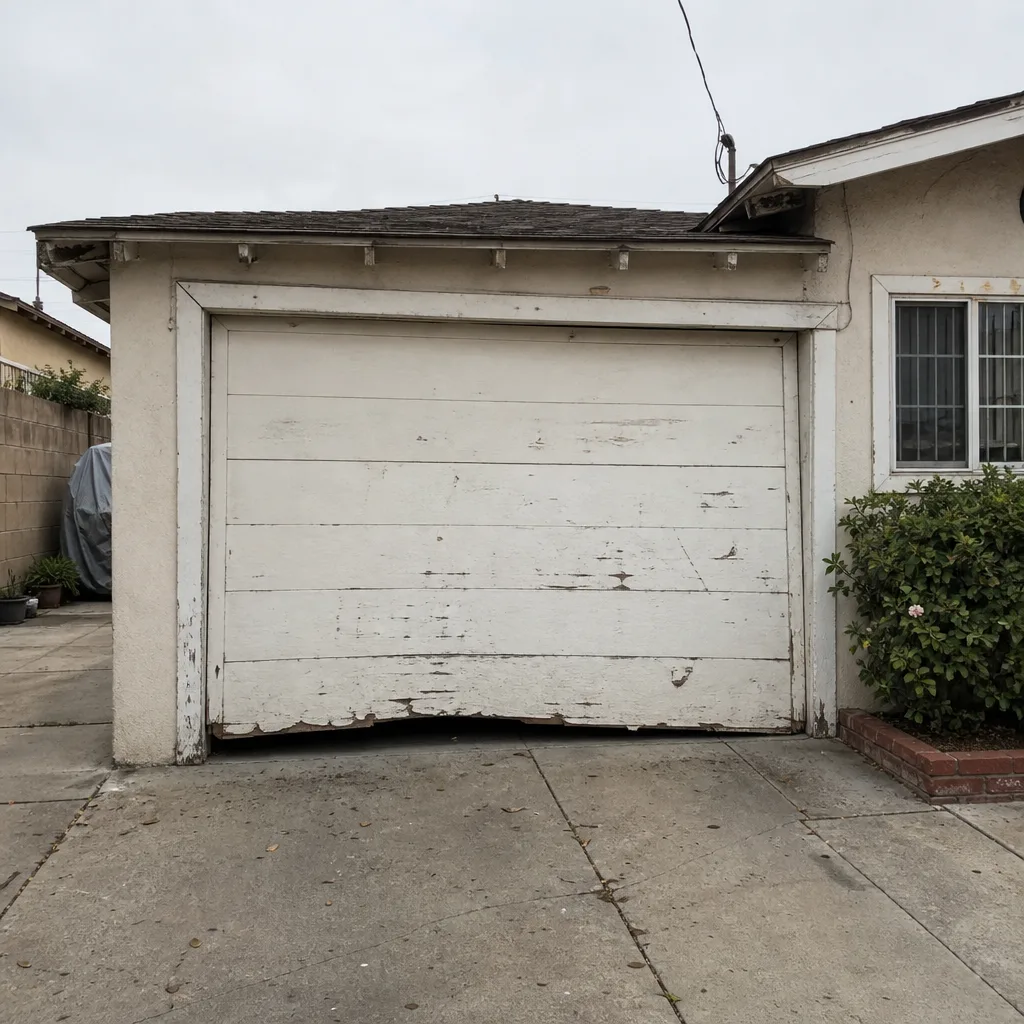 Before
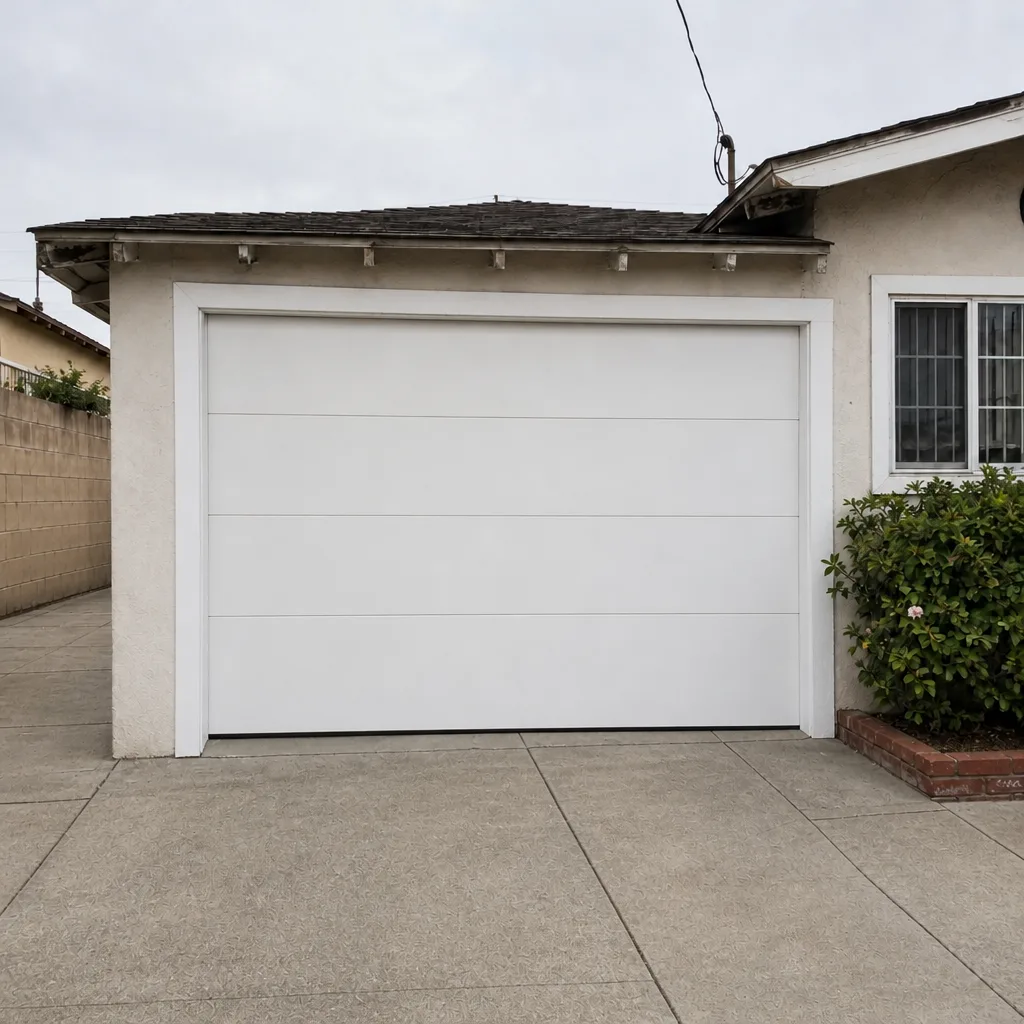 After
Frequently Asked Questions
The torsion spring is the most dangerous component, because it stores enough energy to cause severe injury if it releases while you’re working on it. Never attempt to wind, unwind, or replace a torsion spring without professional training, dedicated winding bars, and a clear understanding of the system. Call (833) 593-3930 if you need this work done in Compton.
Replacing a cable on a torsion spring system is not a safe DIY job, because the cable shares tension with the spring, and detaching it can cause the spring shaft to release suddenly. On an extension spring system it’s less dangerous, but still requires careful blocking and the correct parts. This is one of the middle-risk jobs where we recommend calling a professional. Call (833) 593-3930 and we can explain what your specific door requires.
Repair costs in Compton vary by the job, the parts, and the door type, and the only way to know your price is a written estimate for your specific door. The estimate is free, and the price is agreed before any work starts. Call (833) 593-3930 to schedule an estimate with a specialist who works on your brand.
Yes, lubricating the rollers, hinges, and opener chain is a safe DIY task for a careful homeowner, as long as you use a dedicated garage door lubricant and not a penetrating oil. This is one of the tasks where we actively encourage homeowners to do it themselves, because it extends the life of the door. We answer 24/7 if you have questions about which lubricant to use.
We’re factory-familiar with eight leading residential brands: LiftMaster, Chamberlain, Genie, Clopay, Amarr, Wayne Dalton, Craftsman, and Raynor. Whether your opener is a LiftMaster, Genie, or Chamberlain, we carry the parts and know the system. We work on doors across price tiers, from production-line Craftsman units to architectural-grade Clopay and Amarr doors.
We answer 24/7, and we offer fast dispatch from 7am to 7pm, Sunday through Friday. We’re closed Saturday. If your door fails on a Saturday, call us and we’ll book you into Sunday. Call (833) 593-3930 for the next available opening.
The Bottom Line
The DIY-versus-pro decision on garage doors comes down to one question: is the stored energy in the system something you’re trained to handle? If the answer is no, the decision is already made. The safe tasks are genuinely safe, the middle-risk tasks rarely save enough money to justify the danger, and the hard-line tasks are never worth the risk. Compton’s climate adds its own consideration: our dry, dusty air accelerates wear on moving parts, which means a small lubrication habit today prevents a larger repair later. For anything involving springs, cables, or track work, hire a specialist. The cost of a professional repair is cheaper than the cost of getting it wrong, and the estimate is free, so you can know the price before you commit. Call (833) 593-3930. We answer 24/7. Fast dispatch from 7am to 7pm, Sunday through Friday.
Written by the team at Garage Door Service Compton, serving Compton since 2012.